


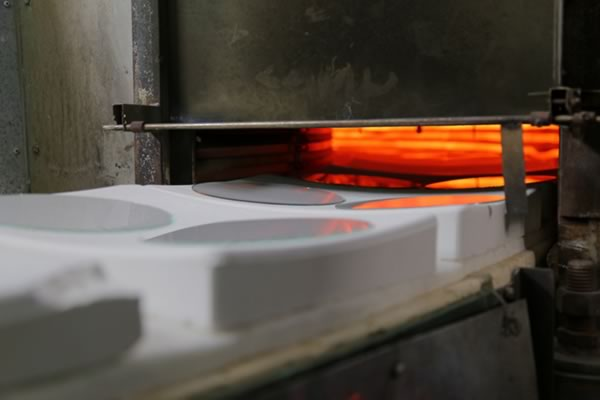
Stop Fighting Your Glass Oven
Anyone who’s spent time annealing glass knows the frustration. You set your temperature, you walk away, and you just hope for the best. But if one zone of your oven is running even 5°C hotter than the one next to it, you’re asking for trouble. Internal stress, cracks, shattered pieces—it’s a nightmare. Most of the time, this happens because of “lamp drift.” Basically, you buy a bunch of heating elements that are supposed to be the same, but in reality, they all put out different amounts of power. It’s a hidden headache.
Why the Twin-Tube Design Actually Works
We went with a twin-tube design because it gives you way more radiating surface area without taking up more space. When you’re running a batch, you need the heat to be flat and steady. Here’s the real secret: it’s all in the tolerances. Standard lamps usually have a power variance of about 10%. In a big lehr, that’s huge. It creates cold spots that you can’t just “wish” away. We tightened that gap down to 3%. It means every tube in the array hits the same temperature. You can stop spending your morning manually tuning individual zones just to make up for a few weak lamps. It just works.
More Heat, More Stress (And How we Fixed It)
Twin tubes pack a lot more heat density than the old single-tube quartz. The upside? Your ramp-up is faster, which means your cycle times drop. You get more done in a day. But there’s a catch. All that heat puts a lot of pressure on the end-caps. Thermal expansion is a beast, and it can snap quartz if you aren’t careful. To stop that from happening, we used reinforced seals. They take the beating so the glass doesn’t have to. One quick warning: make sure your power supplies actually match the impedance of the twin-tube setup. If you try to plug these into a system built for lower-wattage single tubes, you’re going to fry your contactors. Don’t skip that step.
What This Does for Your Quality
When the IR output is the same across the whole heating bank, everything just stabilizes. You stop seeing those annoying “zebra stripes” or weird stress patterns in your glass. Instead of fighting your equipment every single shift, the heating process becomes the one thing you don’t have to worry about. You can finally just trust the machine.