Guest comfort is what quietly drives a solid hotel stay. Too often, though, rooms end up bouncing between stuffy and freezing because the heater is either oversized or underpowered. When the thermostat chases drafts instead of holding steady, sleep goes sideways and the complaints roll in.
Il comfort degli ospiti è ciò che garantisce una buona permanenza in hotel. Tuttavia, troppo spesso le camere oscillano tra ambienti soffocanti e freddi perché il riscaldatore è sovradimensionato o sottodimensionato. Quando il termostato tenta di compensare le correnti d’aria invece di mantenere una temperatura stabile, il sonno ne risente e aumentano le lamentele.
Infrared heaters shift that equation. They deliver radiant warmth that hits people and key surfaces first, not just the air. I riscaldatori a infrarossi modificano questa dinamica. Forniscono calore radiante che colpisce direttamente le persone e le superfici principali, non solo l’aria.
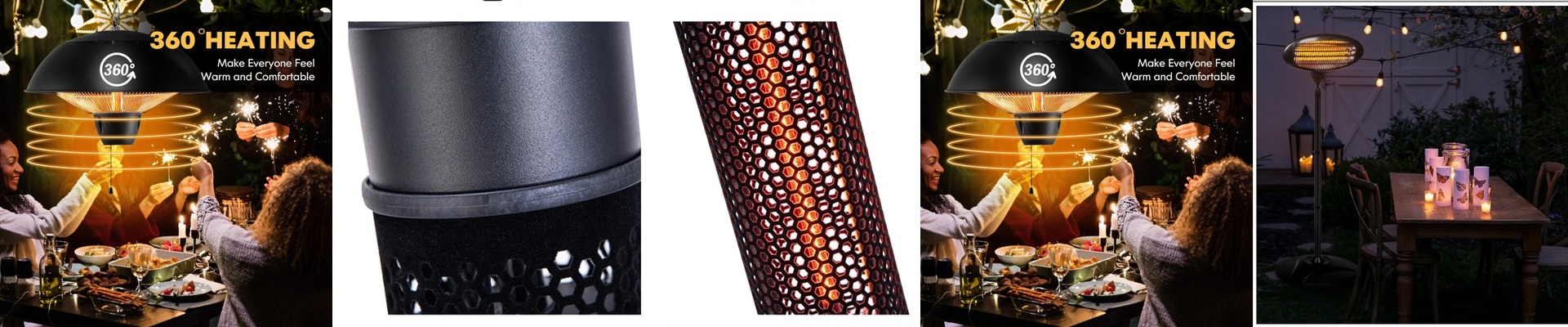
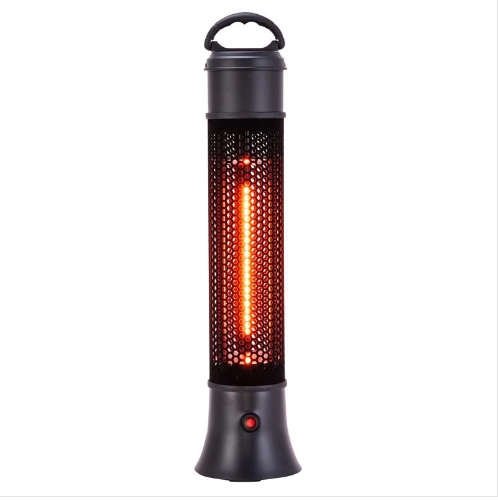
Here’s what matters under the hood. Infrared warmth comes straight from the element—quartz tube, halogen, or carbon fiber—each with its own feel and coverage profile. In hotel rooms, you’re aiming for even coverage with minimal draft and no noise. Ecco cosa conta nel funzionamento. Il calore a infrarossi proviene direttamente dall’elemento riscaldante—tubo al quarzo, alogeno o fibra di carbonio—ognuno con caratteristiche specifiche di percezione e distribuzione. Nelle camere d’albergo, l’obiettivo è una copertura uniforme con correnti d’aria ridotte al minimo e assenza di rumore.
Wattage matters, but so does the beam pattern. A 1500W unit can feel right in a south-facing room with decent insulation, where sunlight adds passive heat. A north-facing room with thin walls may need closer to 1800W just to keep up with steady heat loss. La potenza in watt è importante, così come il pattern del fascio. Un’unità da 1500W può essere adeguata in una stanza esposta a sud con un’isolamento discreto, dove l’irraggiamento solare contribuisce al riscaldamento passivo. Una stanza esposta a nord con pareti sottili potrebbe richiedere circa 1800W solo per compensare le perdite termiche costanti.
Match the specs: voltage (120V in many regions), a built-in thermostat for steady cycling, and safety features like tip-over protection and overheat cutoff. Many models give you multiple heat settings, so you can dial in the output without overshooting. Occorre rispettare le specifiche: tensione (120V in molte aree), termostato integrato per cicli stabili e dispositivi di sicurezza come protezione in caso di ribaltamento e termostop per surriscaldamento. Diversi modelli offrono più livelli di potenza, consentendo di calibrare l’output senza eccessi.
Why this works in practice? Radiant heat warms people immediately, so you can run the heater on a lower setting and still feel cozy. That means steadier comfort and less energy spent forcing air to cycle. Perché funziona nella pratica? Il calore radiante riscalda le persone immediatamente, quindi è possibile utilizzare il riscaldatore a potenza ridotta mantenendo comunque una sensazione di comfort. Ciò si traduce in una temperatura più stabile e in un consumo energetico inferiore rispetto all’uso di sistemi che riscaldano l’aria.
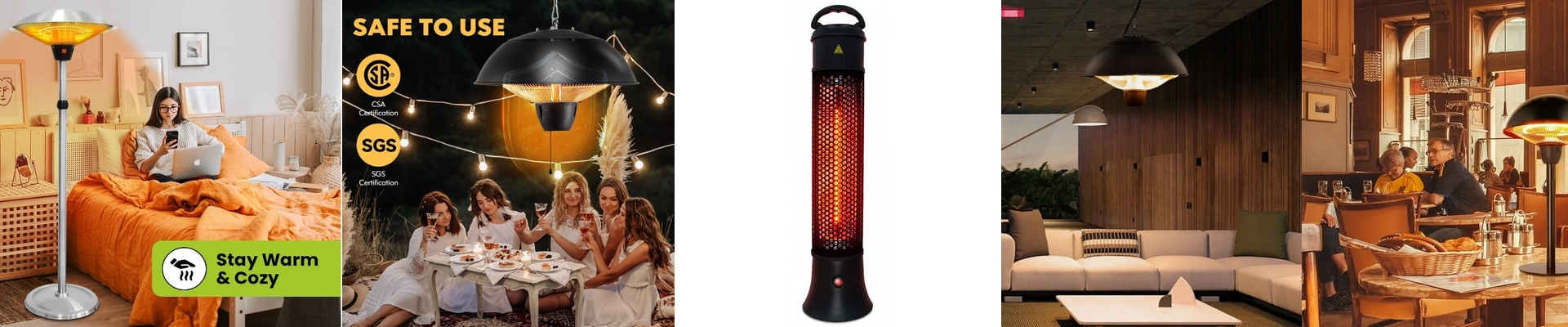
In guest rooms, the lack of fan noise is a big deal. Infrared heaters deliver warmth without the hum, which helps guests sleep undisturbed. Pair the unit to the room’s orientation and insulation, and you’re not fighting the building—you’re working with it. Nelle camere degli ospiti, l’assenza di rumore da ventilatore è un elemento significativo. I riscaldatori a infrarossi forniscono calore senza il ronzio tipico dei motori, facilitando un sonno indisturbato. Abbinare l’unità all’orientamento e all’isolamento della stanza significa non contrastare la struttura, ma integrarsi con essa.
A few field realities. Infrared heaters need clear line-of-sight. Position the unit so it reaches the bed and seating area without furniture in the way. Confirm the outlet can handle the draw; a dedicated circuit is the cleanest setup. Alcune considerazioni operative. I riscaldatori a infrarossi necessitano di una linea visiva diretta. Posizionare l’apparecchio in modo che irraggi la zona letto e la zona seduta senza ostacoli come mobili. Verificare che la presa supporti il carico; un circuito dedicato è la configurazione più corretta.
Expect the exterior panel to get warm, so keep clearance from curtains and bedding. If the room has large windows, a shade helps cut nighttime heat loss. Use the thermostat to hold a gentle, steady temperature instead of cranking the heat. Si prevede che il pannello esterno si riscaldi, pertanto mantenere una distanza di sicurezza da tende e biancheria da letto. Se la stanza ha finestre ampie, una tenda oscurante può ridurre le perdite di calore notturne. Impostare il termostato per mantenere una temperatura costante e moderata invece di aumentare improvvisamente la potenza.