Introduction
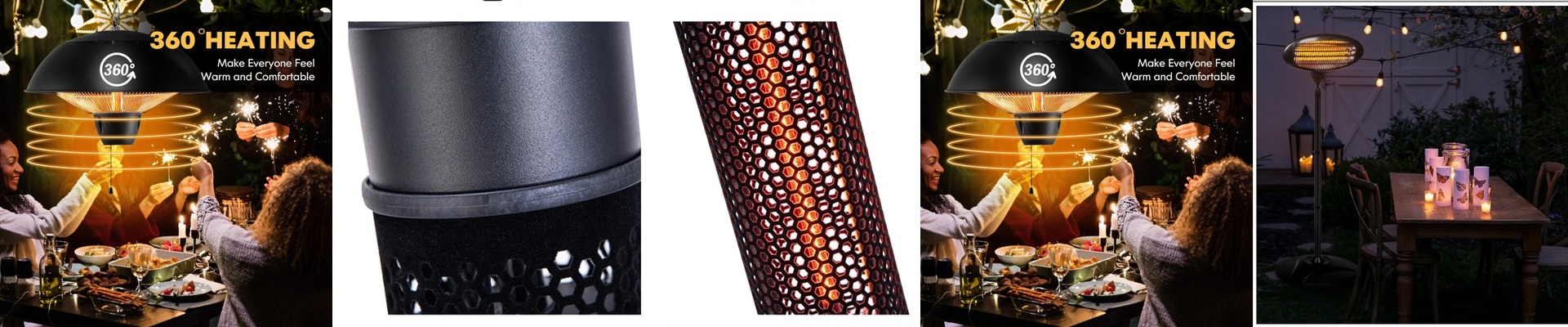
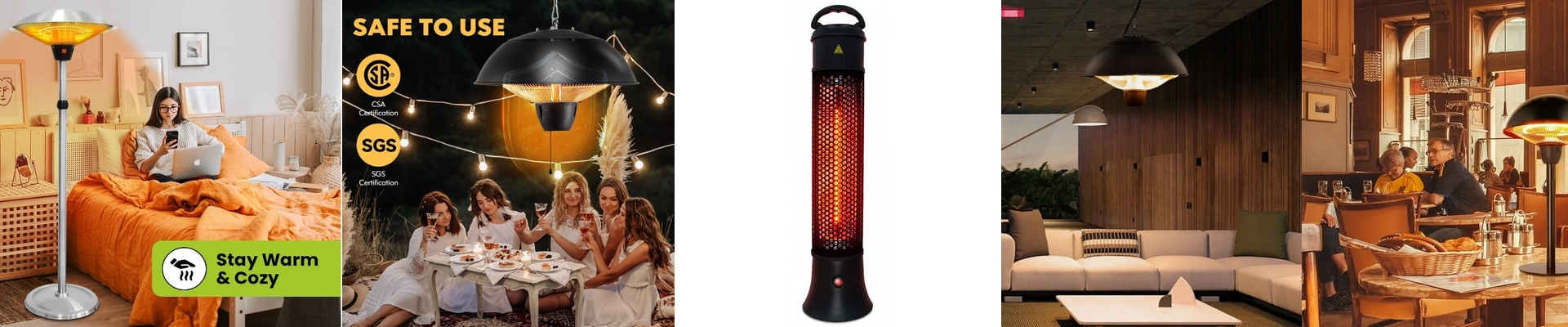
Ten years. That’s how long we spent grinding away in the background, doing OEM work, before stepping onto the world stage. We had one clear goal: to build an infrared space heater that doesn’t cut corners on quality. What we came up with is the Eco-Mode infrared heater. It’s for the engineers who demand heat that’s reliable and right where you need it, especially in those tough industrial spaces.
Technical Deep-Dive
At the heart of the Eco-Mode is a 400V electrical setup, built for the power systems you find in industrial settings where stable voltage is non-negotiable. It gives you consistent wattage, which means the heat density is predictable across the area you’re aiming for. And that 300mm tube length? There’s a reason it’s exactly that. It’s a smart balance—compact enough to save floor space, but long enough to give you the reach you need for a medium-sized work cell. Just know this: packing this much power into a smaller frame means your machine’s cooling and wiring need to be up to the task.
Material & Design
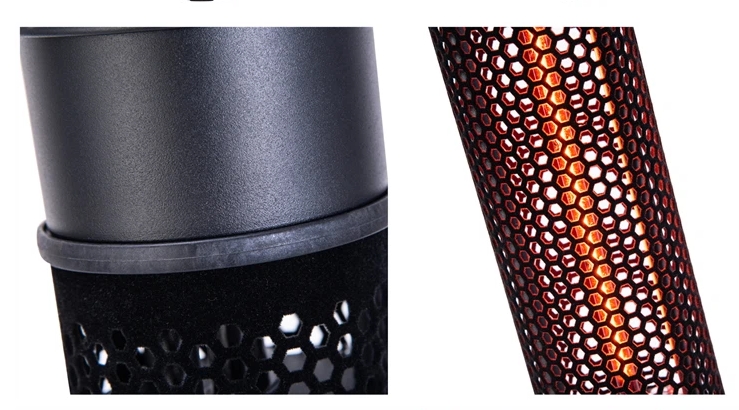
The core is a quartz tube, filled with halogen gas. That gas is key—it slows down filament evaporation, which keeps the output steady and extends the tube’s life. Because the tube runs hotter than standard elements, you get a faster response and a more focused beam of infrared heat. Then there’s the R7s connector. It’s a secure, high-temp connection that wires up fast and stays put, even with all the vibration on a factory floor. We picked it because it’s a proven, drop-in replacement, which saves you serious time during installation.
Application & Benefits
In a factory, heat has to be precise and repeatable. The Eco-Mode shines here by heating just the zone you need, so you’re not wasting energy heating the whole building. That means lower energy use during those long runs, while still keeping process temperatures rock-solid. It’s built to handle the grit of the factory floor—the dust, the humidity, the constant wear and tear. But let’s be clear: it’s not a magic bullet. You need to get the details right. Things like ambient airflow, mounting distance, and reflector alignment have to be set properly to hit your target temperature. When you do, you get heat you can count on, day after day, so production never misses a beat.