Introduction
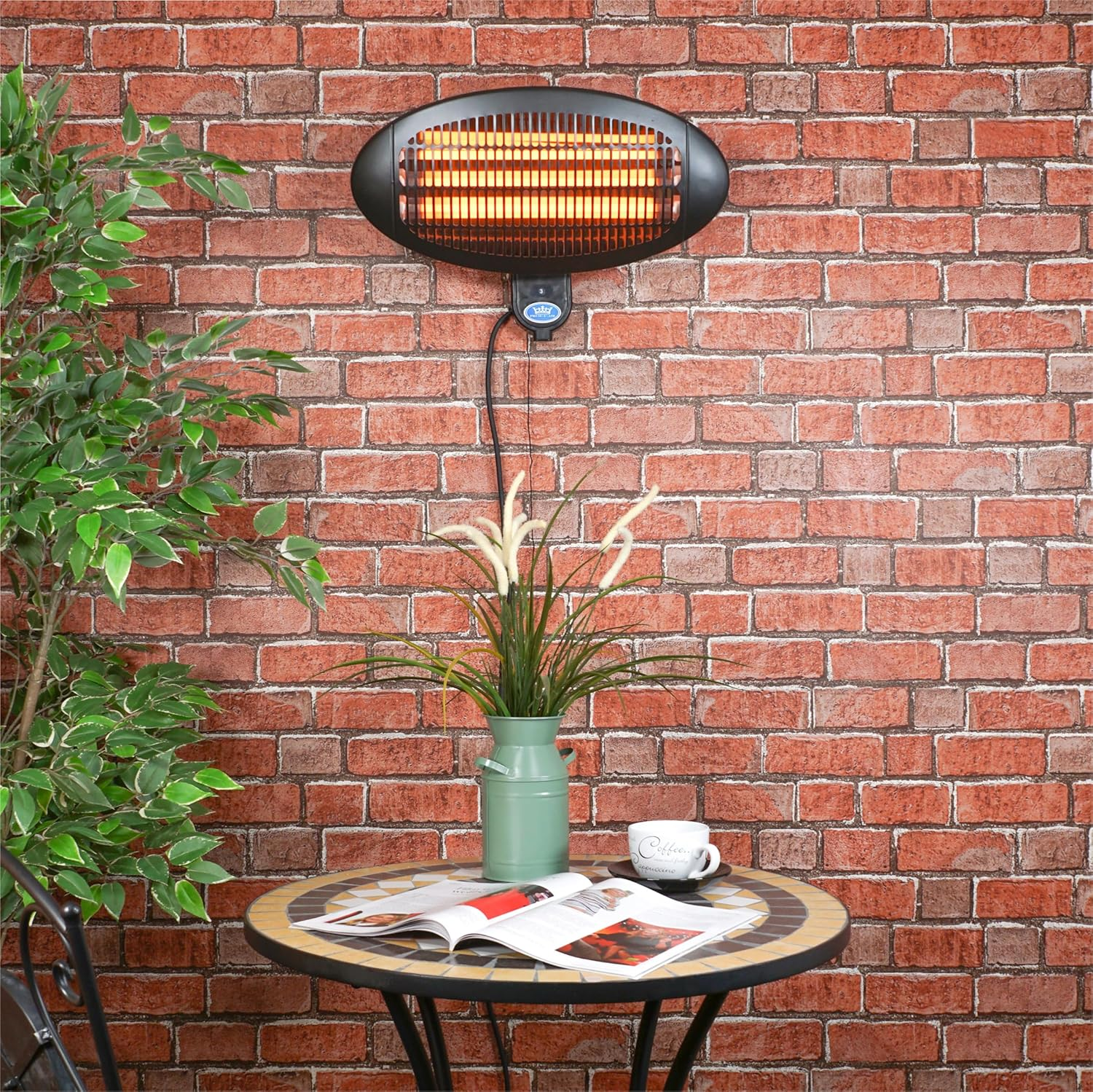
Here’s the thing about our wall-mounted electric fireplaces: they’re built around a pretty smart idea—infrared heating. We didn’t just want to give you heat that vanishes the second the unit turns off. We wanted warmth that sticks around. So, when the fireplace shuts down, the room holds onto the heat. That’s because the infrared energy has already been soaked up by everything around it. It’s not lost. It’s just… stored.
The Secret to Warmth That Lasts
Think about a regular heater. It warms the air, and the second it shuts off, that warmth disappears. Our infrared system plays by different rules. It sends out short-wave infrared radiation that cuts right through the air to warm up solid things—your floors, your furniture, your walls. Then, those objects become a kind of thermal battery, radiating that stored heat back into the room. That’s where the magic happens after shutdown. The heat doesn’t just vanish. It just changes form.
The Gear That Makes It Happen
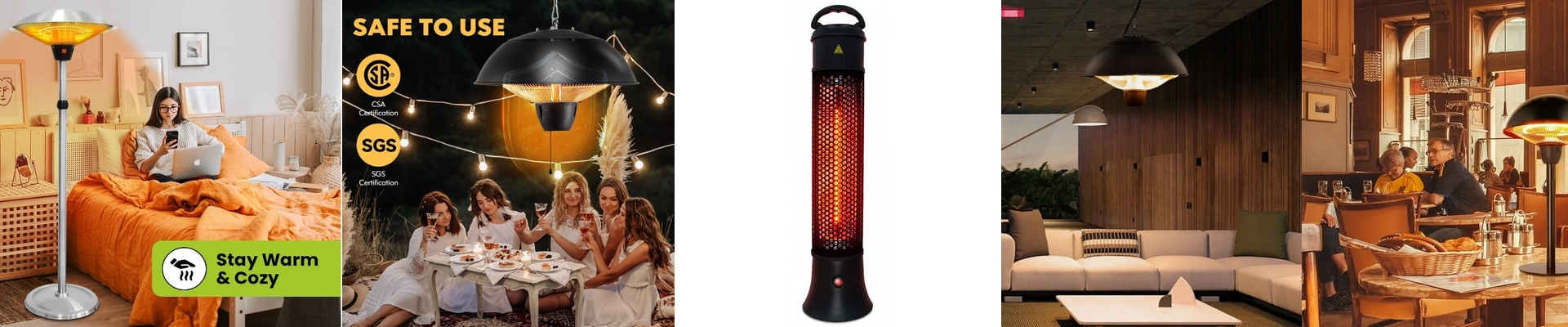
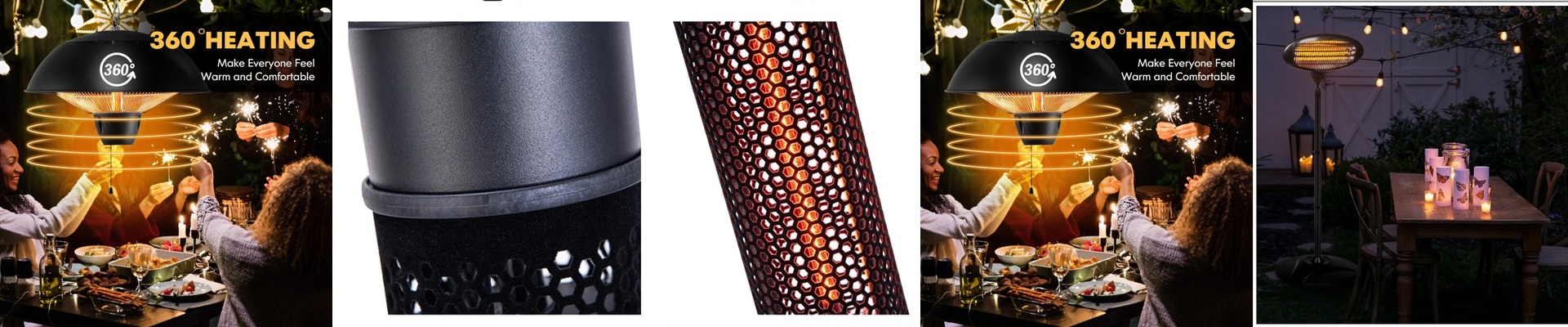
At the heart of it all is a high-output quartz halogen tube, designed to fire up fast. The coating on the tube is chosen specifically to push out as much infrared energy as possible. We want the energy going into radiant heat, not wasted on warming the air. And this thing is tough. It can handle the shock of switching on and off again and again without burning out. The connectors are built for a solid, industrial-grade connection, too. They’re spec’d to handle the power draw without getting hot or adding resistance. This is a system built for the long haul, not just for occasional use.
The Real-World Payoff (and a Small Trade-off)
When you put this system into a wall-mounted fireplace, you get a lot of heat from a small footprint. You feel the warmth instantly, and there are no cold drafts. But, there is a trade-off. Because the heat goes directly to surfaces, you get what’s called a temperature gradient—meaning things in the direct line of sight get warmer than things off to the side. It just means you need to think a little about placement. For anyone installing it, the upside is obvious: a low-maintenance system that gives you steady, radiant comfort, even after the unit has powered down. The heat stays put. Right where you want it.