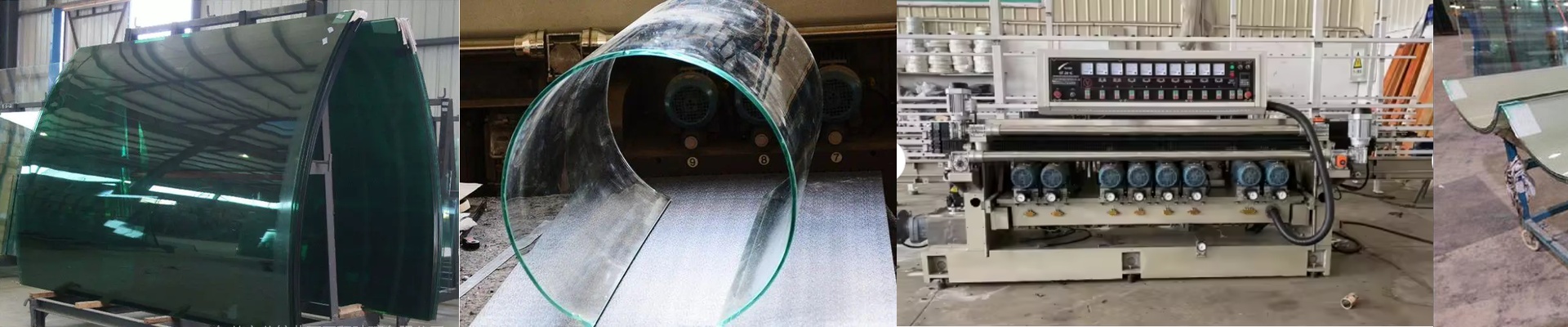
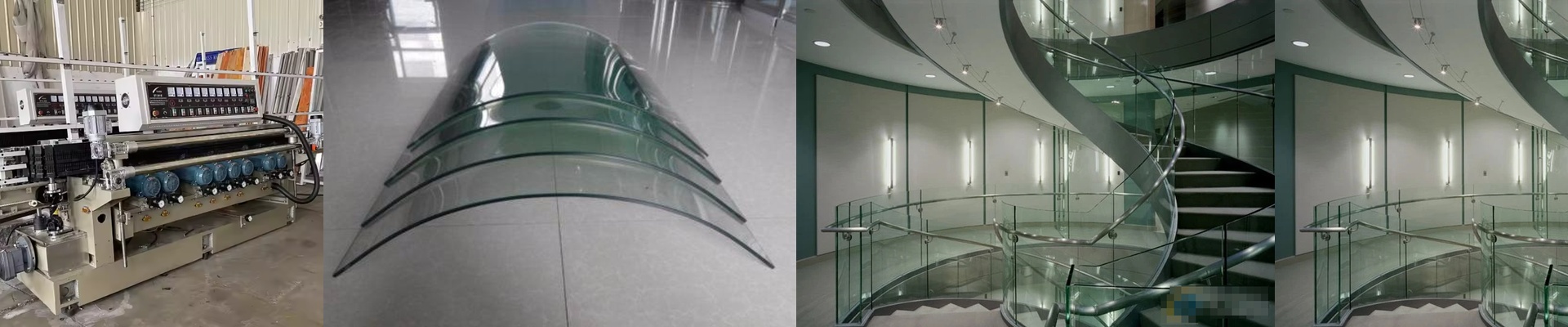


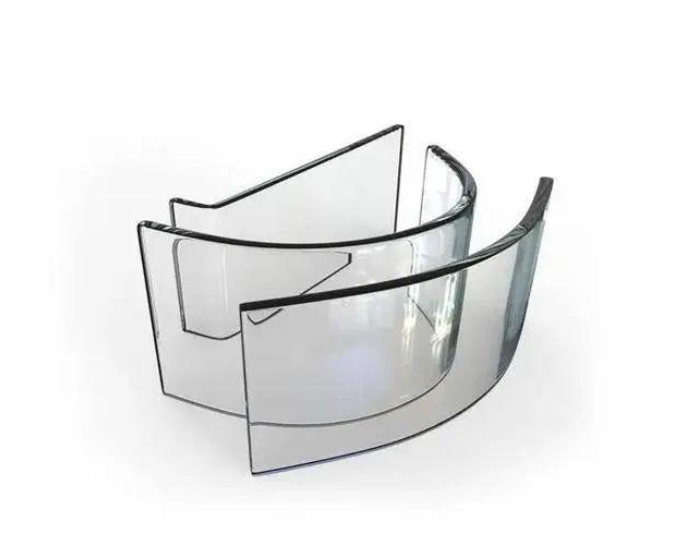
On the glass line, heat timing isn’t a suggestion—it’s the process. Tempering furnaces, bending stations, and EVA/SGP laminators all run on predictable, repeatable temperature. If the heater lags, you get uneven sag, bowed panes, and optical defects. Overshoot, and you risk thermal stress fractures and glass that just gets scrapped.
What matters, technically
This 400V industrial infrared lamp leans on a short-wave quartz emitter, and for good reason: it responds fast and stays controllable. In practice, that means a ramp-up around 6–8°C per second, so you can hit setpoint quickly without cooking the surrounding frame. The heating field is shaped for uniformity, holding ±3% across the active zone. That matters when you’re trying to keep flatness and avoid edge stress during tempering or bending. Power density is tuned to 35–45 W/cm², giving you enough heat flux to drive coating drying and adhesive cure without leaning on convection. And the 400V supply is matched to plant distribution, which keeps current load down and keeps electrical demand in line with standard factory feeds.
Why it fits the line
In glass processing, the heat profile is the product. On tempering lines, rapid, even heating lets you tighten cycle time while keeping surface compression consistent. On bending lines, controlled IR heat cuts down on unwanted slump and keeps optical distortion from creeping in. For lamination, the lamp brings EVA or SGP up to flow temperature fast, which improves bond line clarity and reduces voids. The payoff is fewer rejects, more consistent output, and less wasted energy heating air instead of the glass.
What you need to keep in mind
Installation is straightforward on 400V circuits, but the lamp needs clean, dry terminals and solid mounting so focal distance stays right. Keep the reflectors clean—when they get dirty, output uniformity drifts. This is direct heat, so shield nearby components and make sure your control strategy matches the lamp’s response time. Expect shorter lamp life if you cycle it aggressively at high current—plan replacements around scheduled downtime.