

The Power Behind the Dry: Why This Heater Isn’t Your Average Warm-Up
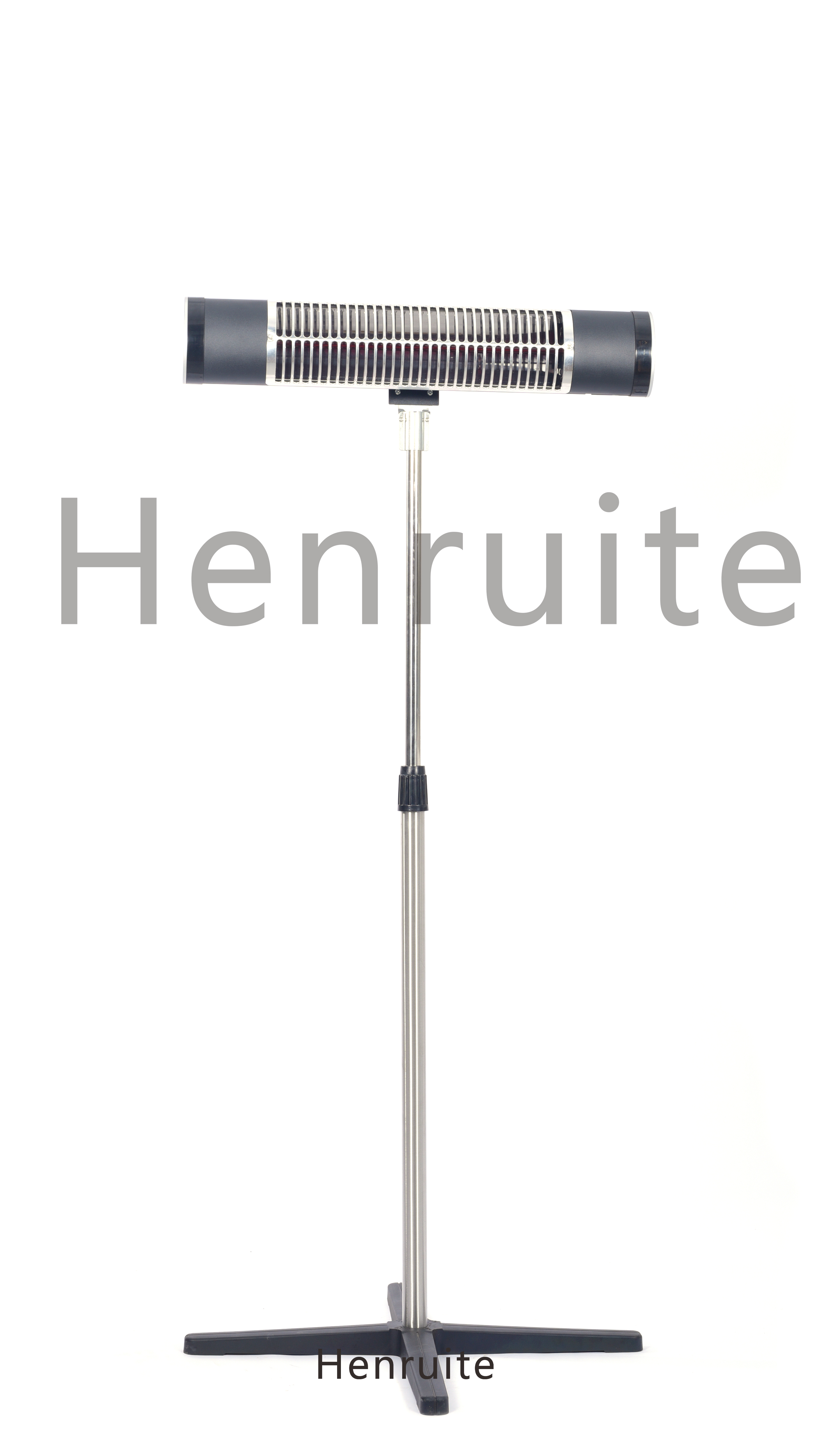
Here’s the thing about our shoe dryer heater: we didn’t build it to be a gentle little lamp. We built it to be a serious workhorse. It’s a high-density infrared powerhouse. The kind that gets the job done. To pack that much punch into a small space, we went with high wattage and a 400V input. It’s all about delivering serious, concentrated heat. That’s how you blast moisture away fast, without needing a bulky, oversized unit. And the 300mm tube? That length is intentional. It creates a perfect heating zone that lines up with where your shoes actually need it. No wasted energy, just the right heat, right where it counts.
Built to Last: The Materials That Make the Difference
When you’re pushing this much heat, the materials matter. A lot. So we chose a halogen-filled quartz tube. Quartz is tough. It handles those scorching temperatures without blinking, keeping the heat steady even when you’re running the dryer hard. Then there’s the halogen. It works like a charm, keeping the filament clean. That means you get consistent performance, day after day, without the burnout you get from flimsier heaters. And let’s talk about the connector. We went with an R7s for a reason. It locks the tube in tight, handles the current, and makes installation a breeze. You wire it once, and it stays put—even with all the vibration and on-off cycling.
The Payoff: Fast, Reliable Drying, Without the Headache
When you’re drying shoes, speed and consistency are everything. This heater delivers on both counts. That high heat density means the air and the shoe surface heat up almost instantly. You get shorter dry times, which means you get more done. Plus, the design is compact. That’s a huge win if you’re trying to fit it into an existing assembly. You don’t have to redesign the whole machine just to make room for it. But here’s the catch—that concentrated heat needs proper airflow. If your airflow is too small, things can get too hot under the hood. So you’ve got to match your cooling and air routing to the heater’s output. For anyone building export-ready models, this approach keeps things simple. It’s easy to source, easy to mount, and easy to service out in the field. No fuss, just results.