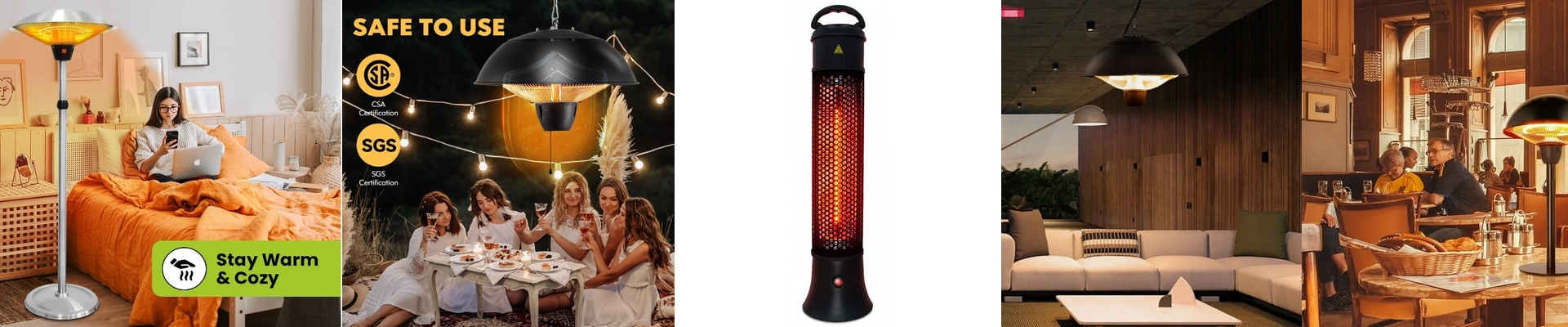
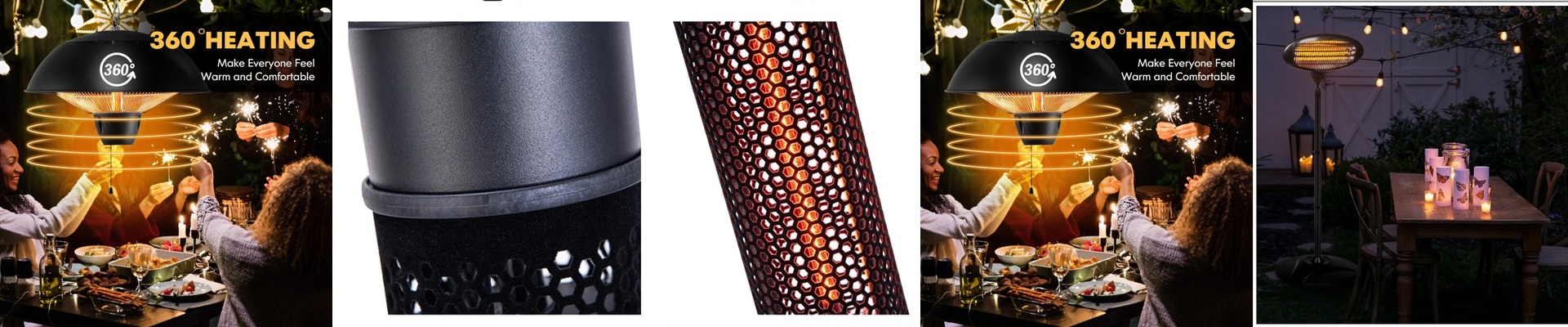
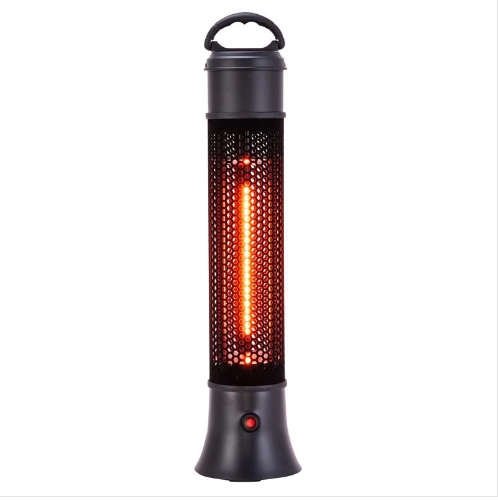
Guest comfort is what quietly drives a solid hotel stay. Too often, though, rooms end up bouncing between stuffy and freezing because the heater is either oversized or underpowered. When the thermostat chases drafts instead of holding steady, sleep goes sideways and the complaints roll in. Infrared heaters shift that equation. They deliver radiant warmth that hits people and key surfaces first, not just the air. Here’s what matters under the hood. Infrared warmth comes straight from the element—quartz tube, halogen, or carbon fiber—each with its own feel and coverage profile. In hotel rooms, you’re aiming for even coverage with minimal draft and no noise. Wattage matters, but so does the beam pattern. A 1500W unit can feel right in a south-facing room with decent insulation, where sunlight adds passive heat. A north-facing room with thin walls may need closer to 1800W just to keep up with steady heat loss. Match the specs: voltage (120V in many regions), a built-in thermostat for steady cycling, and safety features like tip-over protection and overheat cutoff. Many models give you multiple heat settings, so you can dial in the output without overshooting. Why this works in practice? Radiant heat warms people immediately, so you can run the heater on a lower setting and still feel cozy. That means steadier comfort and less energy spent forcing air to cycle. In guest rooms, the lack of fan noise is a big deal. Infrared heaters deliver warmth without the hum, which helps guests sleep undisturbed. Pair the unit to the room’s orientation and insulation, and you’re not fighting the building—you’re working with it. A few field realities. Infrared heaters need clear line-of-sight. Position the unit so it reaches the bed and seating area without furniture in the way. Confirm the outlet can handle the draw; a dedicated circuit is the cleanest setup. Expect the exterior panel to get warm, so keep clearance from curtains and bedding. If the room has large windows, a shade helps cut nighttime heat loss. Use the thermostat to hold a gentle, steady temperature instead of cranking the heat.