
Why IP65 Infrared Heat is a No-Brainer for Wet Rooms
We’ve all been there. You step out of a hot shower, and the air in the bathroom is freezing. You flip on those old-school heat lamps, and you just… wait. And wait. The real problem with those traditional lamps isn’t just that they’re slow. It’s that they hate steam. Moisture sneaks into the housing, causes a short, and suddenly your heater is a paperweight. That’s why we’re moving toward IP65-rated infrared heaters. They’re built for the chaos of a steamy bathroom.
What “IP65” actually means for you
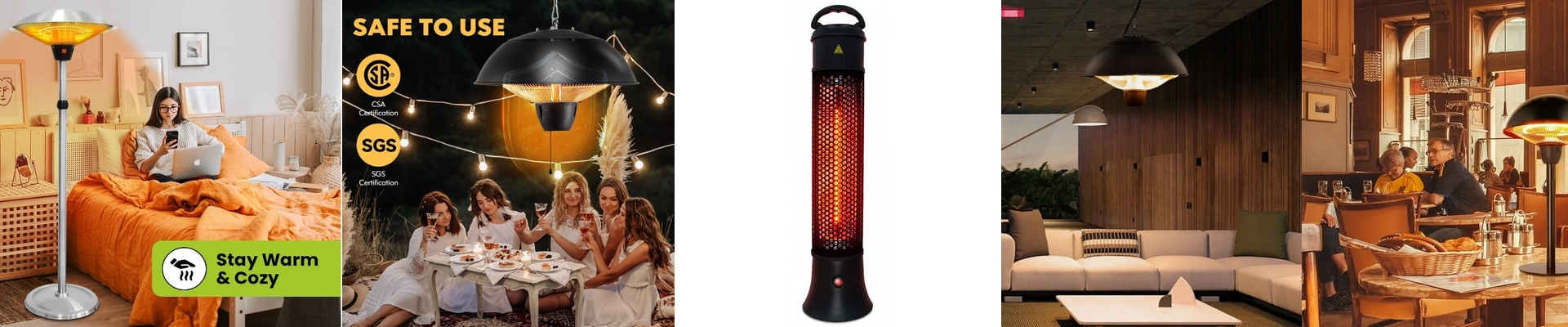
Forget the technical jargon for a second. Basically, IP65 means the unit is sealed tight. While a “water-resistant” light might handle a few stray drops, these units use heavy-duty gaskets and sealed cables to keep the wet stuff out. It stops the internal wiring from rusting and keeps the heating element from burning out way too early. It’s just a more reliable way to stay warm.
The magic of infrared
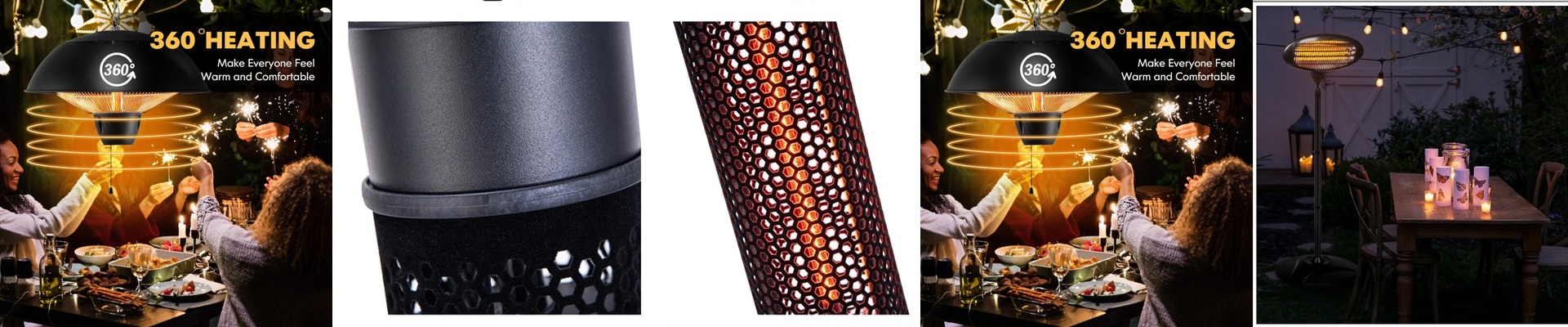
Here is the big difference: traditional heaters try to warm up the air. That takes forever. Infrared is different. It sends out waves that warm you and the surfaces around you directly. The second you hit the switch, you feel it. It’s instant. We stick with short-wave infrared for these rooms because it cuts right through the humidity. It doesn’t get bogged down by the steam; it just hits you with that cozy warmth immediately.
A few things to watch out for
Now, you can’t just slap these into any old socket. These units pull a lot of power to get that instant heat, so you’ll need a dedicated circuit. If you try to swap a weak old bulb for a high-power infrared array without checking your wire gauge, you’re asking for a tripped breaker. And a word of caution: these things gethot. Like, “don’t touch it” hot. You have to get the height just right. Mount them too low, and someone’s going to get burned. Mount them too high, and you won’t feel that concentrated heat. It’s all about finding that sweet spot where you’re toasted, but safe.