
Why We Torture Our Bathroom Heaters (So You Don’t Have To)
Let’s be honest: bathrooms are a nightmare for electronics. Between the thick steam from a hot shower and the constant humidity, it’s basically a swamp in there. Most people see an “IP65 rating” and think, Okay, it’s waterproof, I’m good. But here’s the thing. A waterproof seal is one thing. Dealing with steam is a whole different beast.
The problem with steam
Liquid water is easy to block. Steam? Not so much. Water vapor is sneaky. It finds those tiny, microscopic gaps in a seal that liquid water just can’t fit through. Once that moisture gets inside, it settles on the circuit boards and heating elements. That’s when things get ugly. You get oxidation, weird electrical leaks, and eventually, a dead heater. To stop that from happening, we throw our units into high-humidity chambers for hundreds of hours. We basically try to break them in our lab so they don’t break in your bathroom.
The “Breathing” Effect
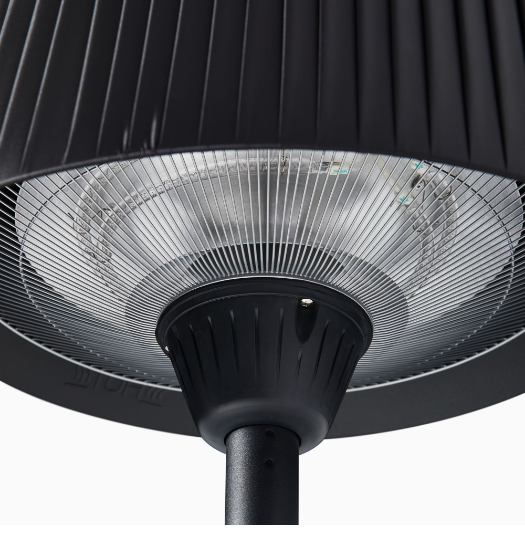
Then there’s the heat. Infrared lamps get hot—really hot. When you flip the switch on and off in a damp room, the materials inside the heater expand and contract. It’s almost like the machine is breathing. And every time it “inhales,” it can pull moist air right into the chassis. We spend a lot of time monitoring the insulation during these cycles. If we see the electrical strength dip even a little bit, the unit is trash. We’d much rather toss a few housings in the bin now than deal with a massive recall later.
The Balancing Act
Now, you might think, Why not just seal it airtight? Well, there’s a catch. If we seal it too tight to keep the steam out, the heat has nowhere to go. The unit basically cooks its own brain (the PCB) from the inside out. It’s a delicate balance. We tweak the seal compression and the vent placement until we hit that sweet spot: keeping the moisture out while letting the electronics breathe. The result? A heater that actually lasts, even in the steamiest bathrooms.