Why Most Bathroom Heaters Die (And How We Fixed Ours)
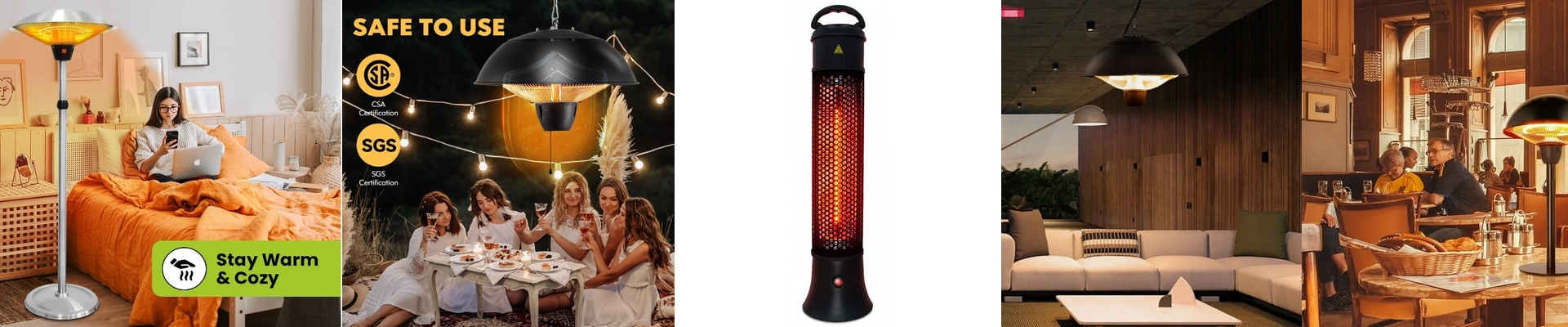
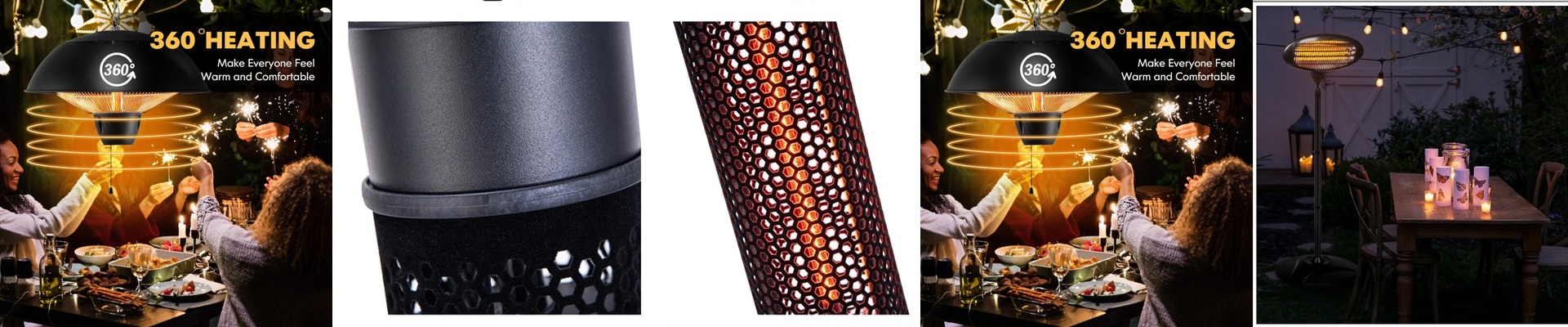
Let’s be honest: bathrooms are a nightmare for electronics. You’ve got steam everywhere, random splashes, and constant humidity. It’s basically a recipe for rust and electrical shorts. Most heaters just aren’t built for that kind of abuse, which is why they usually burn out way too fast. We wanted something that actually lasts. The battle against the fog We’ve all been there—stepping out of a hot shower only to find your mirror looks like a frosted window. It’s annoying. To fix this, we use short-wave infrared emitters. Instead of just heating the air, these push heat directly into the glass, keeping it warm enough that water droplets can’t even stick. We tucked the heating element right behind the mirror so the energy goes exactly where it needs to. No wasted heat, just a clear view. Keeping the water out Water and electricity are a dangerous mix. Most failures happen at the connection points—where moisture sneaks in and eats away at the wiring. To stop that, we don’t just “seal” things; we use heavy-duty gaskets and potting compounds to lock everything down tight. It keeps the internals bone-dry, even when the room feels like a sauna. Picking the right stuff We went with high-purity quartz glass for the tubes. Why? Because standard glass tends to crack when it goes from cold to hot in a damp room. Quartz handles that stress without breaking a sweat. We even added a special coating to the outer shell to help water slide right off. A quick heads-up, though: these are splash-proof, but you can’t dunk them in a tub. Also, make sure your GFCI is set up right if you’re wiring these into a high-wattage circuit. Safety first. And if you can, keep your bathroom well-vented. It helps the heater run cooler and keeps the whole system humming along for a lot longer.