

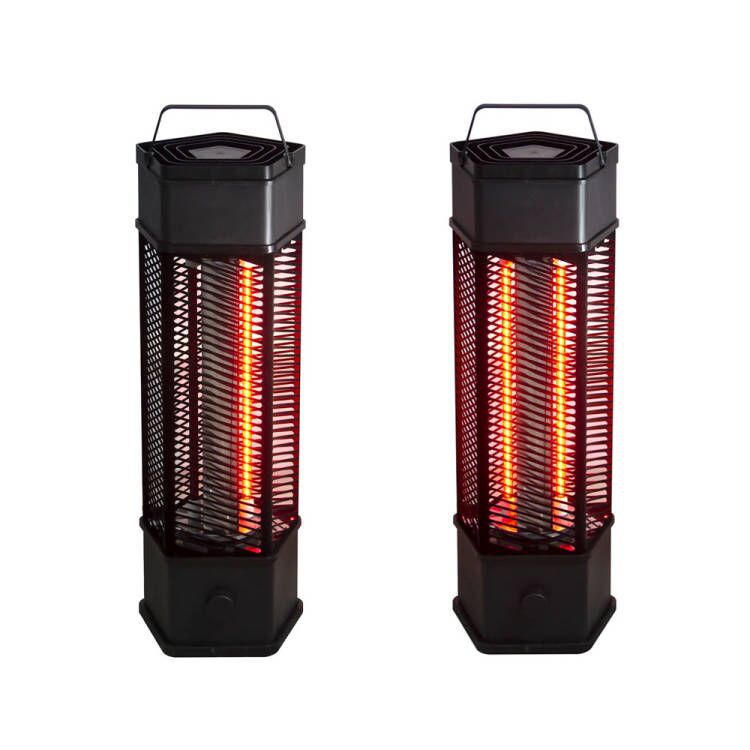
Ever wonder why ceiling heaters always seem to burn out right when you need them most? Usually, it’s just the environment. In a busy shop or factory, the air is full of oil mists and moisture. That gunk settles right on the heating element. Then, the second the heater kicks in, that grime bakes onto the quartz tube. It creates these intense “hot spots” that eventually crack the glass or just snap the filament. It’s a frustrating cycle. Dealing with the fog We’ve spent a lot of time figuring out how to stop condensation from ruining the emitter. Think about it: in a humid room, water droplets cling to the tube while it’s off. When the heater flashes on, those drops evaporate instantly. That sudden shock stresses the quartz over and over again. Plus, it creates a “cloudy” film that kills your heat output. We tweaked the airflow and surface tension to keep the glass clear, so the heat actually reaches you instead of getting trapped. Built for the splash zone Then there’s the water. A random splash is usually all it takes to cause a short circuit or let corrosion eat your housing from the inside out. We used specific IP-rated seals to lock the electrical terminals tight. By keeping the wiring and reflectors dry, we stop oxidation before it starts. You won’t deal with those scary “arc-flash” pops at the connection points that you see with those cheap, open-frame heaters. The honest trade-off Now, there is a catch. Adding all these shields and seals makes the unit a bit bulkier. It also means the housing doesn’t breathe quite as freely. Because of that, you’ve got to make sure you have enough ceiling clearance—check our installation guide—so you don’t accidentally bake your attic or crawlspace. But here’s the payoff: your heater can take a beating in a damp workshop and still put out serious heat. You won’t be climbing a ladder every few months to swap out a dead unit. We just keep the internals dry and the glass clean, letting the physics do the heavy lifting.