

Introduction
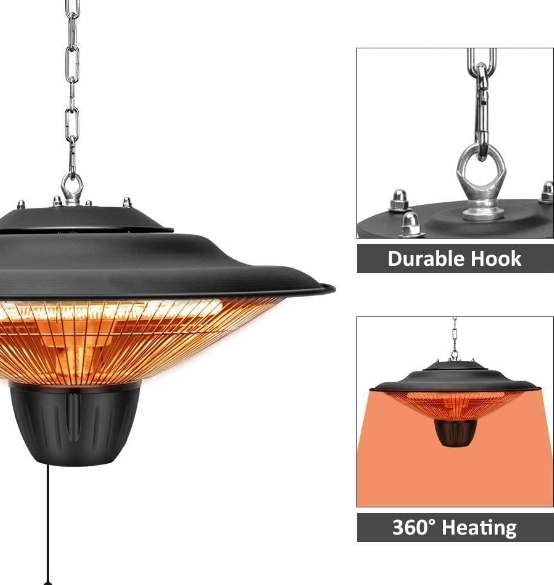
We built this IP55 infrared patio heater for people who work hard and need gear that keeps up. The kind of folks who hate gear that’s built to fail. The whole idea was simple: when the heating element finally needs replacing after about five years, you should be able to swap it out in minutes, not spend half your day on it. This isn’t some sealed-up brick that you toss when it breaks. It’s a piece of equipment that’s meant to stay in the game.
What Makes It Tough
That IP55 rating? It means this heater can handle the real world. Dust. Splashes. Rain coming sideways. So you can put it on a patio, in a workshop that’s half outdoors, even near areas where things get hosed down. In practice, the sealing keeps water out of the electrical bits and stops dust from piling up, which is a big deal because dust traps heat and wears components out faster.
The Fix Is Built In
Here’s the best part: we built this with a modular design. The only thing that really wears out is the tube. So when it’s time for maintenance, you don’t replace the whole heater. You just swap the tube and get back to work. Less spare parts sitting on a shelf. And way less downtime, because you’re not pulling out and reinstalling a full unit.
How It Heats
The heater uses an infrared source, which means you get heat fast, and it goes where you point it. The tube is built for the daily grind of heating up and cooling down. It handles that cycle again and again without cracking under normal use.
The Connection That Makes Sense
The connector interface was designed for real life, not a showroom. It’s a quick-release setup. When the job is clean, you can unclip, swap, and refit the tube in seconds—no tools needed. But even when things are rough, the connection stays solid and reliable. That’s the difference between a terminal block you have to tighten every time and a field-friendly interface that just works.
Why Infrared Works Outdoors
When you’re on a patio or working outside, you don’t want to heat the whole air. You want warmth where you actually stand. Infrared gives you that directional heat. Energy goes straight to the people and surfaces that need it.
Maintenance That Doesn’t Slow You Down
Because of the modular design, maintenance becomes routine. One technician can do the swap without taking down mounting hardware or rewiring anything. But here’s the thing to keep in mind: this unit runs hot. The heat is focused, so you need to plan your footprint and shield nearby materials. If you don’t, the reflected heat can take a toll on adjacent surfaces. Plan the layout, and the heater does its job. Without the guesswork.