
Walk into a hot yoga studio or a hard-charging gym, and you know the feeling. The air might read warm, but the floor and the mirrors stay cold. People stretch, hold poses, and push through intervals, waiting for their bodies to open up. When the room doesn’t warm from the inside out, classes drag, sweat comes slower, and the premium experience you’re selling just doesn’t land.
What matters under the hood
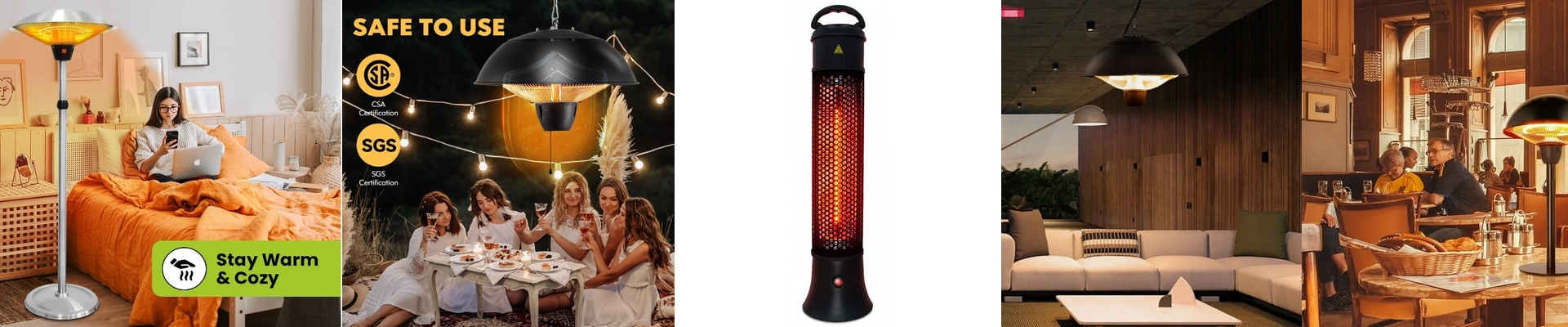
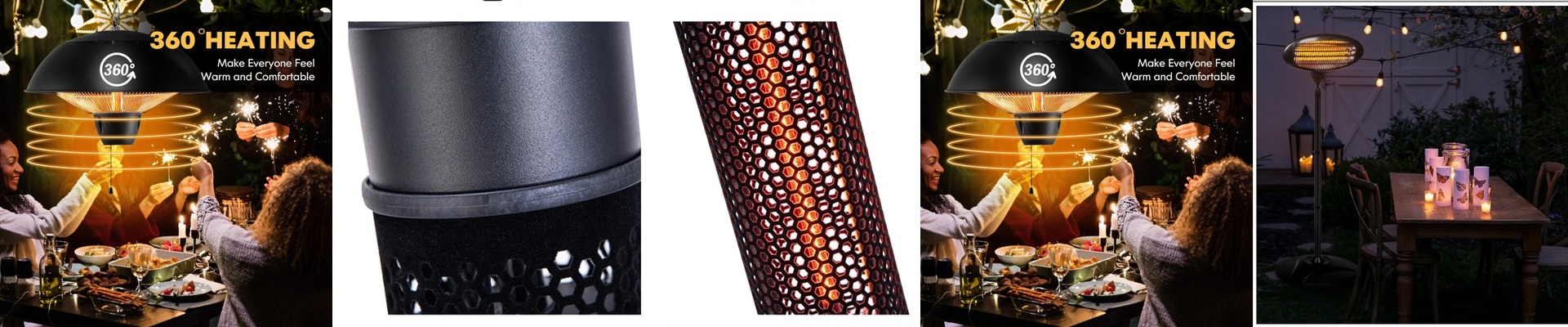
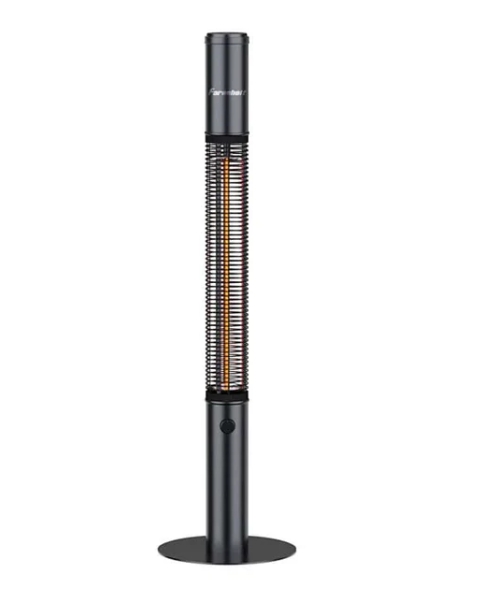
We built our freestanding fireplace heater on short-wave infrared, with a carbon fiber element that delivers radiant warmth the way the sun does—hitting people, mats, and surfaces directly instead of wasting time heating the air first. The result is a quick jump in perceived temperature, faster warm-up between sessions, and comfort that holds steady. It stands on its own, plugs into a standard outlet, and gives you control through an adjustable thermostat so you can match the heat to the session. The core runs quiet and efficient, with no fan noise to cut into breathing cues or instruction.
Why this fits heat yoga and fitness
Radiant heat supports what you’re trying to do: encourage a deeper sweat while keeping muscles pliable, so students move farther with less strain. Because the warmth arrives fast, you can keep class schedules tight without waiting for the room to catch up. And you can roll out premium heat-yoga blocks as a paid add-on without tearing into the building for ducted heat or oversized HVAC. You get a more consistent feel, fewer draft complaints, and a tailored experience without the operational overhaul.
Practical details—what to watch for
Placement matters. Keep the heater where the infrared beam hits mats and bodies directly, and leave a clear space around it for airflow and safety. This is electric and intended for indoor use. It’s not built to be the primary heat source in very cold outdoor conditions. Pair it with your ventilation plan so humidity stays manageable, and confirm the local electrical requirements for the circuit you’re using.