
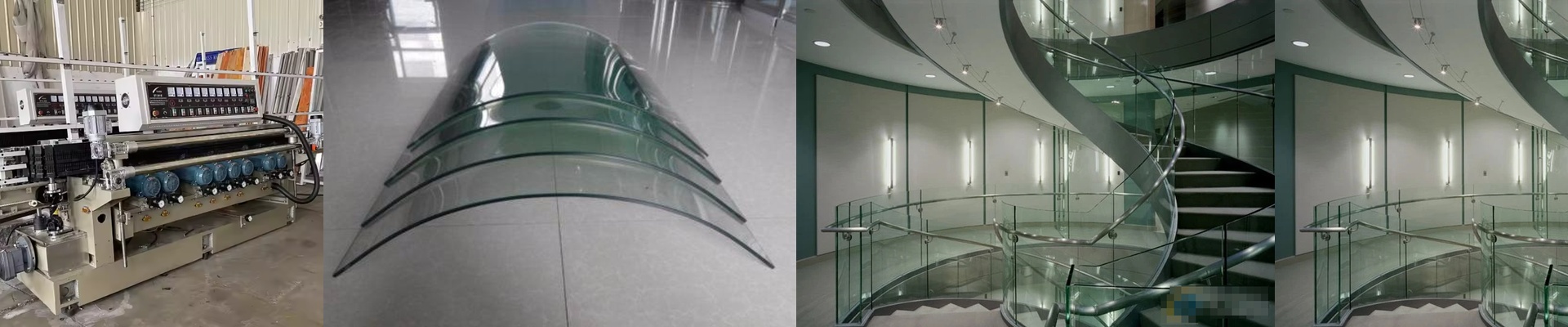
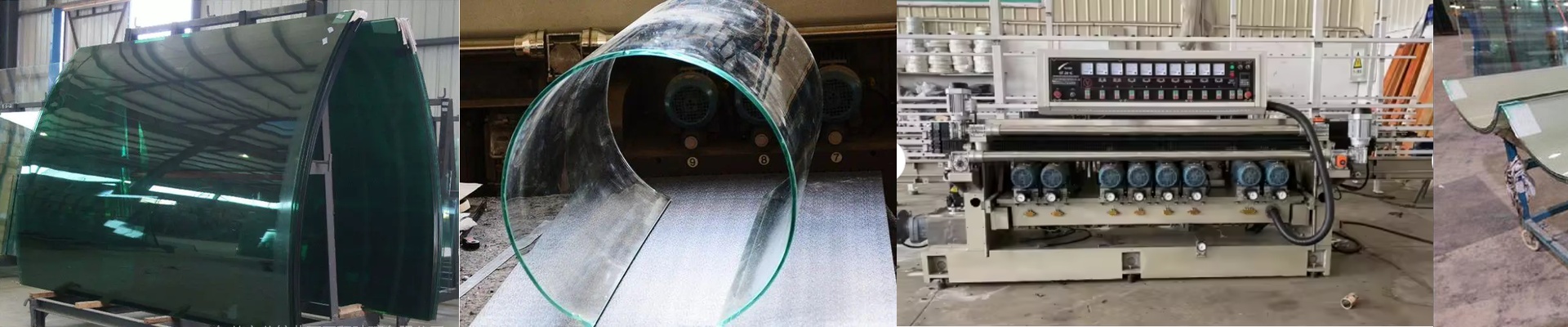

On the marine glass line, the heater isn’t just about temperature. It sets the temper, shapes the bend, and keeps the headaches from showing up later as spontaneous fracture. When you’re running toughened cabin windows, bulwark panels, or structural glazing, a wandering thermal field goes straight to scrap and rework. What actually matters under the hood We run marine glass tempering with short-wave infrared and high-purity quartz elements, chosen for snap response and repeatable output. That gives you a stable thermal profile across the sheet, which matters because uneven heating means uneven expansion, and that creates thermal stress that fights uniform tempering. The heater ramps fast enough to keep pace with a high-throughput line, while holding tight zone control so the annealing curve stays inside the limits and stress gets relieved properly. Why it holds up on the water Marine glass has to live with salt, spray, and constant vibration, so tempering and bending have to be consistent piece after piece. With this setup, heating is predictable for both flat tempering and controlled bending, which cuts down edge stress and optical distortion. You also save energy because the heater targets glass emissivity directly, instead of heating air and hoping it sticks to the glass. The process window tightens, first-pass yield climbs, and rework from stress fractures drops. The details that bite you if you ignore them These heaters are built as drop-in modules for common glass processing lines, but alignment is where the rubber meets the road. Make sure your conveyor, insulation, and shielding match the thermal envelope; even small gaps create hot/cold bands and push the thermal field off target. Treat the quartz elements like precision consumables—keep everything clean, set the clamps right, and you’ll hold stable output over long campaigns.