
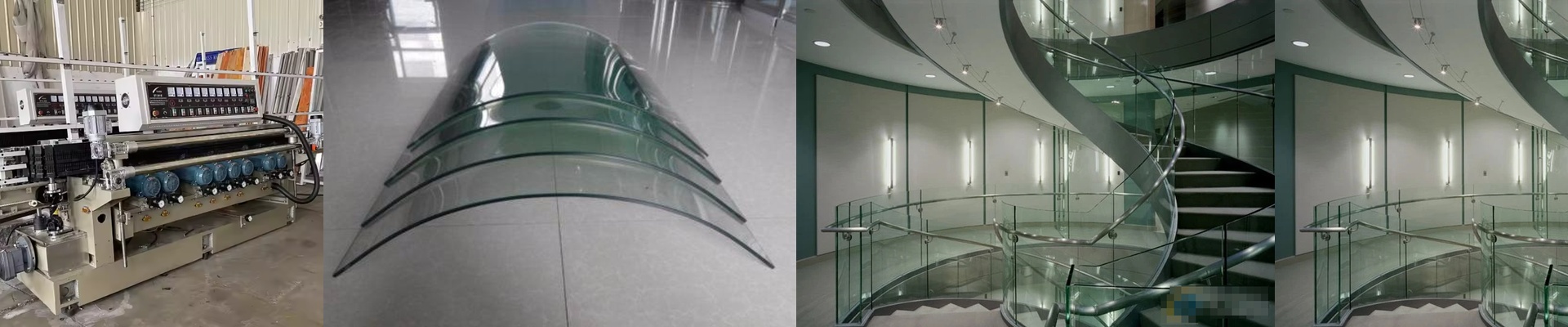
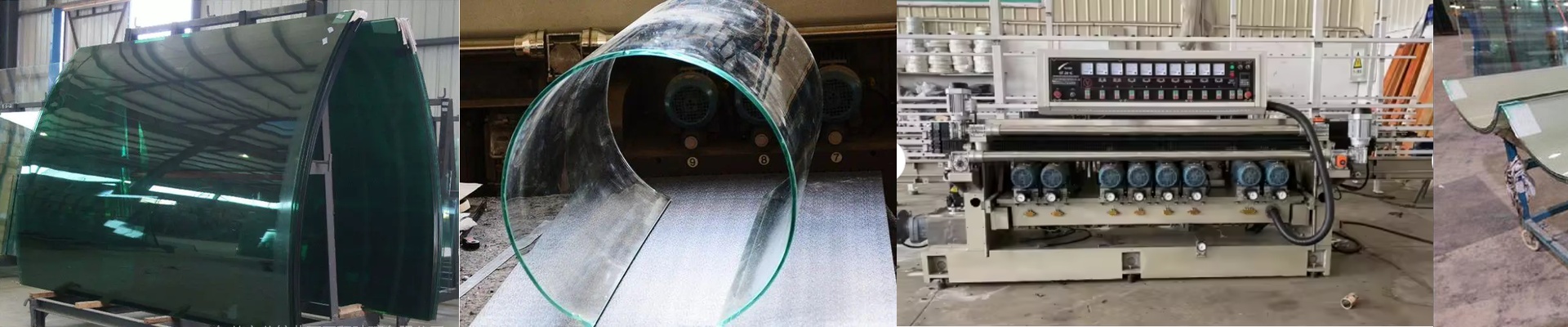
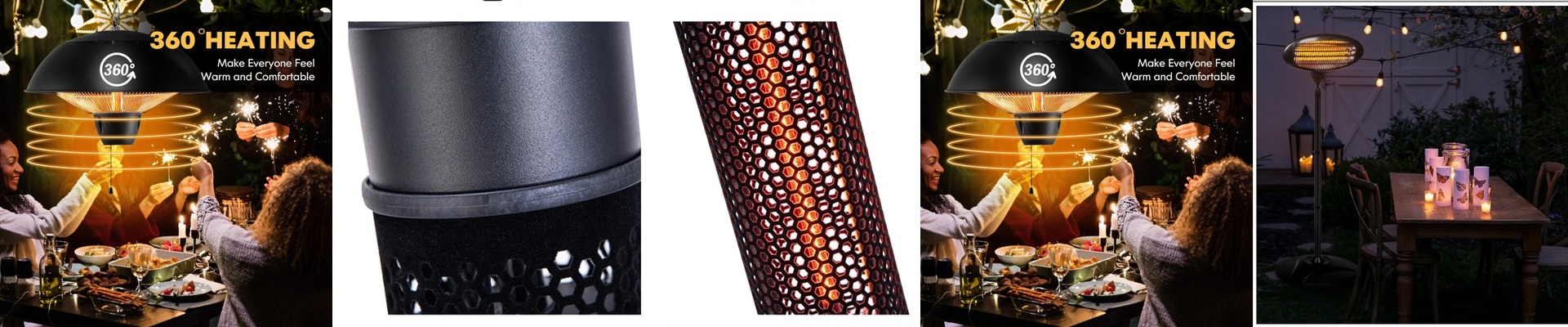
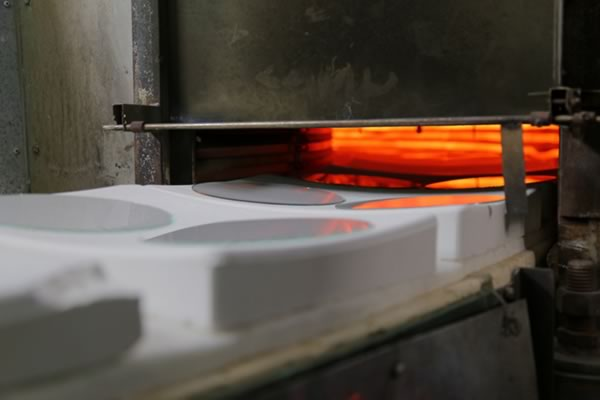
On the line, the kiln sets the tempo. One cold zone in bending or tempering and the whole schedule slips—glass lingers, stress builds, and scrap starts piling up. We built the professional glass kiln heater to take that variability out of the equation, giving you repeatable heat exactly where the process needs it. What matters under the hood It runs on short-wave infrared quartz elements, so it responds fast and holds temperature tightly. Input is 480V three-phase, with power matched to the kiln cross-section to keep the thermal profile even across the load. The heater array is dense enough to prevent hot spots, and the reflector design throws energy onto the glass surface, not the chamber walls. The payoff: quicker ramp-up, stable holding temps, and far less drift between cycles. Here’s why that translates on the floor. In tempering, uniform heating keeps optical distortion and edge stress in check, so press quality stays consistent without constantly chasing setpoints. In bending, you hit slump temperature quickly and hold it steady—cycle time drops, and sag inconsistency gets a lot less fussy. For lamination prep, controlled heat keeps EVA from scorching and keeps PVB moisture low, which cuts down on bubble defects and rework. Energy use comes down, too. The heater delivers heat on demand and cools fast when the door opens, so the line keeps moving instead of waiting on recovery. A few practical notes. Installation is straightforward, but clearance matters. Keep the specified gap to the kiln liner and make sure airflow isn’t blocked—convection needs room to do its job. Before swapping in a new module, double-check the connector type and voltage at the terminal block; mismatched wiring will pinch output and chew up element life. Plan maintenance around lamp hours. Replace elements on schedule to keep emissivity consistent and prevent the thermal profile from drifting.