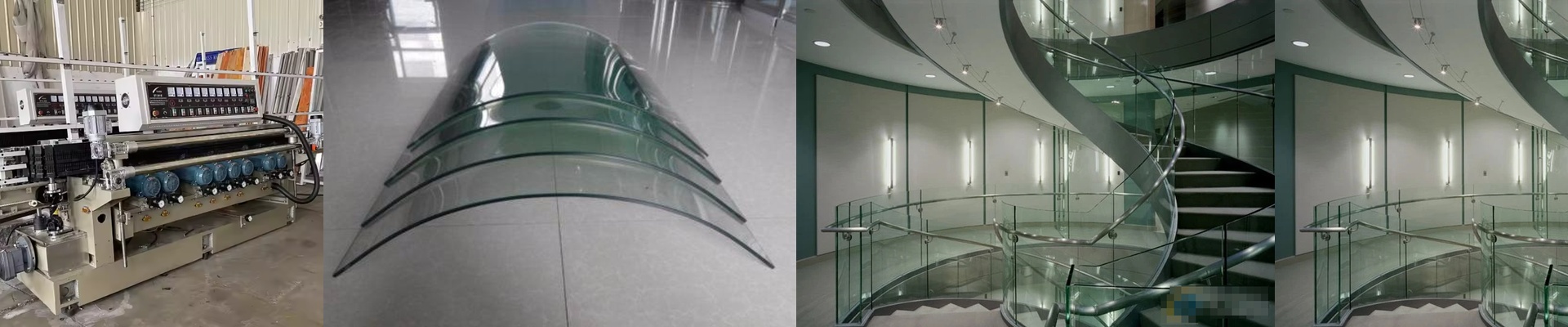
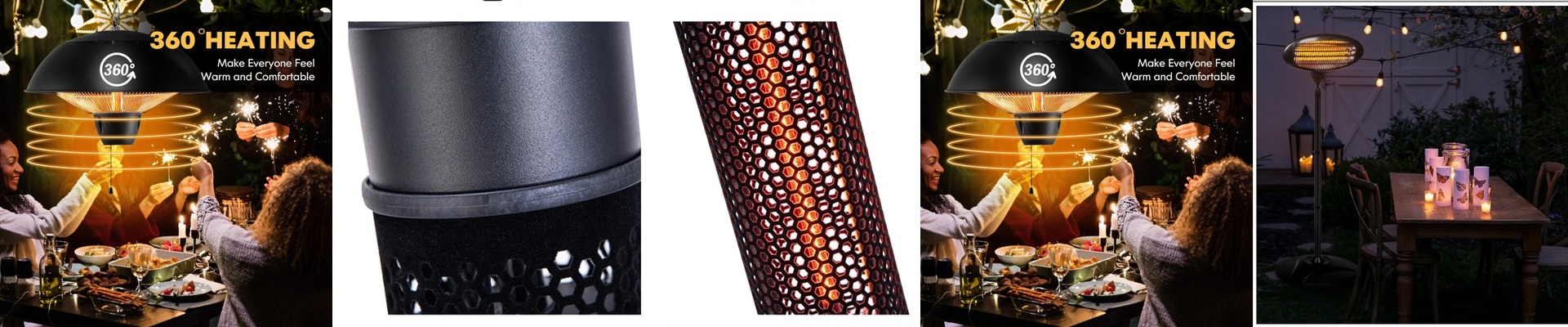
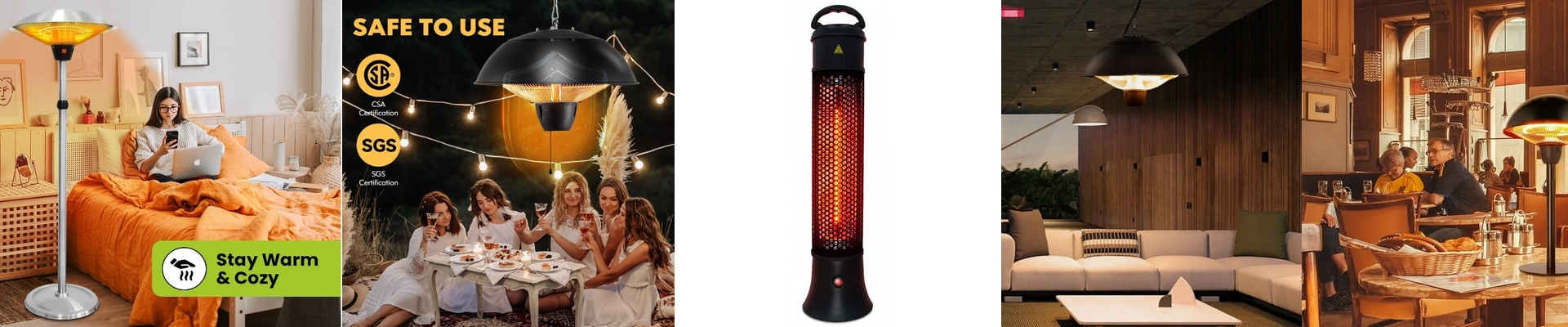
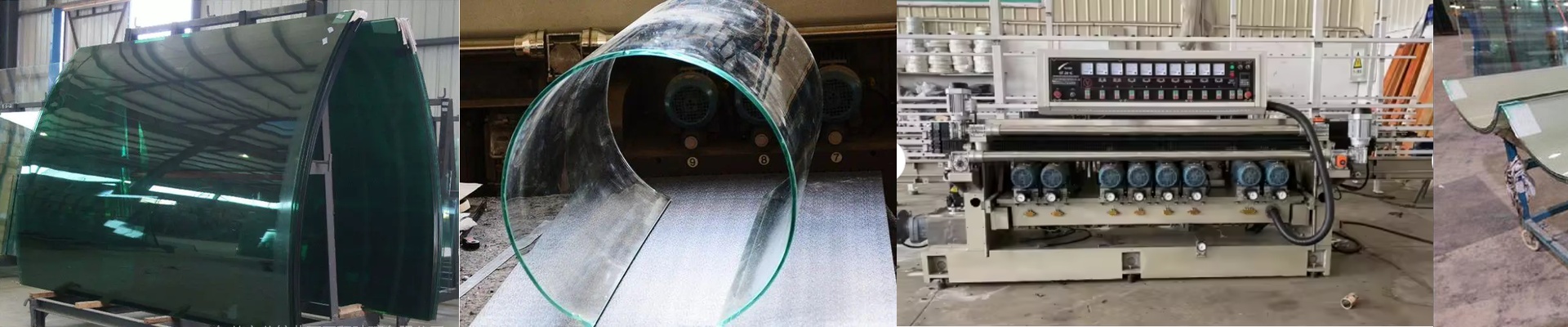
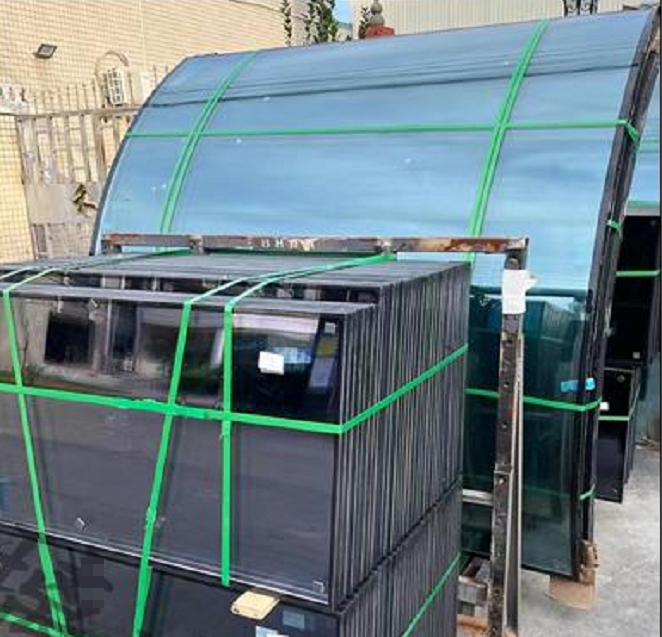
On the glass line, heat isn’t just a number on a chart—it’s control, plain and simple. A shaky thermal profile during tempering shows up as bow and optical distortion. A drifting zone in bending? Inconsistent radii. And a heater that’s slow to recover in lamination stretches out the dwell, which is how you get bubbles. When the oven can’t hold setpoint consistently, scrap climbs and the schedule starts slipping. What matters under the hood We build industrial glass oven heaters around short-wave quartz elements, because they respond fast and keep the heat even across the glass plane. The emitters pack high power density and ramp up quickly, so the furnace recovers after door cycles and load changes without hanging around. The specs are grounded in actual machine geometry: standard voltages, defined element lengths and mounting centers, and termination options that line up with common connectors. Controls work with PID and zone instrumentation, so you stabilize the thermal field instead of chasing it. The payoff shows up in yield and uptime. In tempering, a stable, even profile cuts thermal stress fractures and tightens up break pattern consistency. In bending, predictable heating shortens changeover and keeps repeatability tight across multiple bend radii. In lamination and coating drying, controlled irradiance helps you avoid solvent entrapment and improve edge adhesion—without cooking the glass. Energy use drops, too, because the heaters come up to temperature fast and hold it with minimal overshoot, which cuts idle losses. Installation is straightforward, but the devil is in oven ducting, airflow, and reflector geometry—those details set the final uniformity. Give us your machine make and chamber dimensions, and we’ll supply an adapter kit for a direct replacement fit. No need to re-engineer the hearth or supports. You will need a small clearance around terminals and reflectors. It’s a small trade-off for stable setpoint control and fewer unplanned shutdowns.