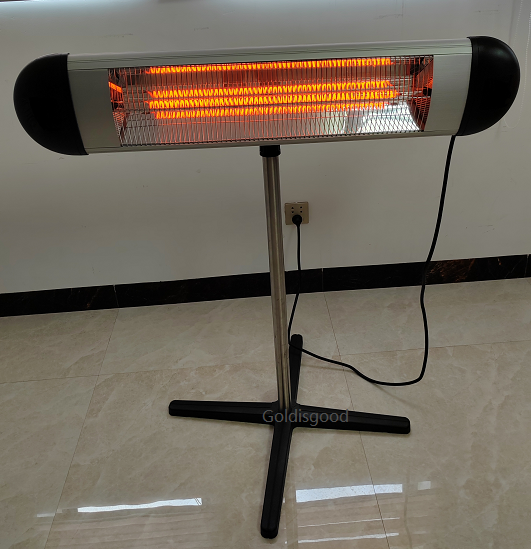
Municipal facilities live and die by tight schedules and even tighter budgets. Come winter, the heating bill for libraries, clinics, and community centers balloons, and the money has to come from somewhere else. Infrared electric heaters cut annual heating costs without making people feel the pinch.
What actually matters on the technical side
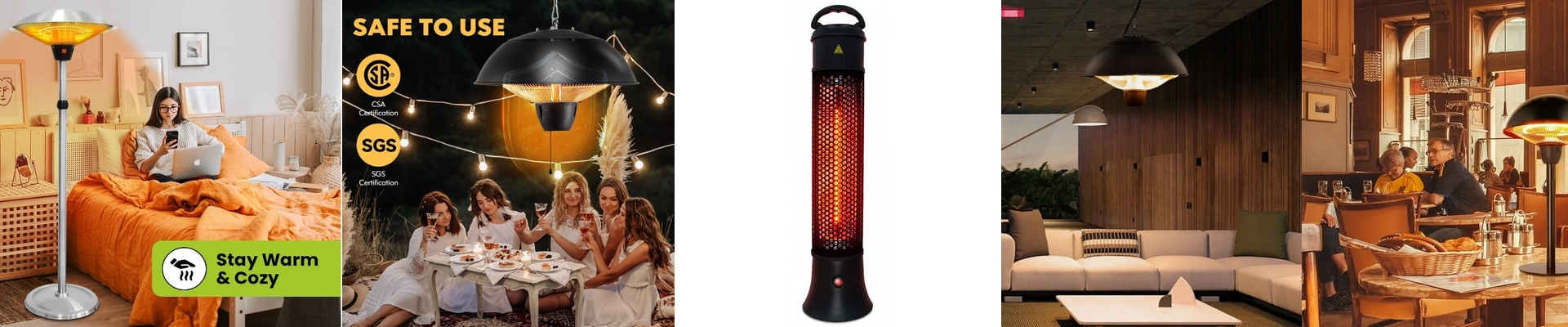
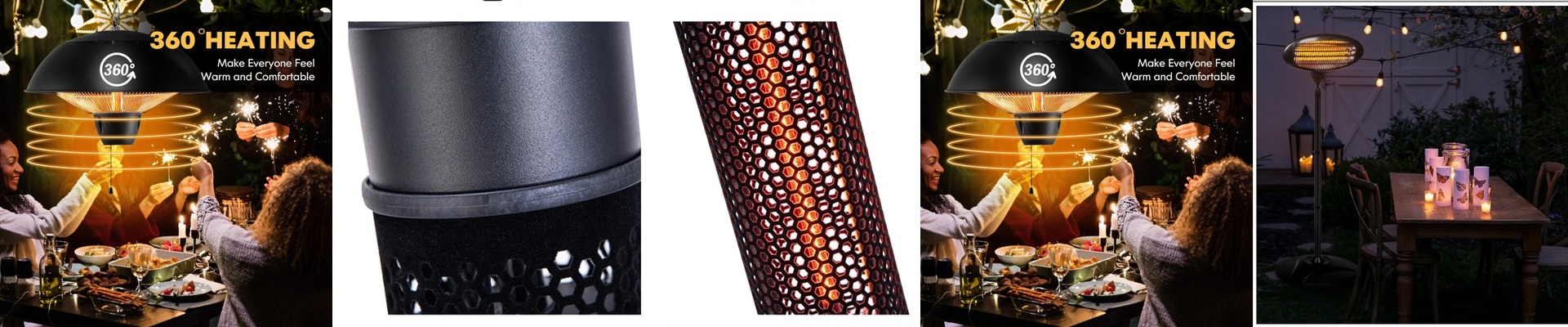
Infrared electric heaters work like the sun—radiant warmth that hits people and surfaces directly, instead of wasting energy heating air. We run them on medium-wave quartz elements. They come up to temperature fast and hold a steady, even glow. Typical units run on 230 V, pull 1.5–3 kW, and can be switched in 1 kW steps to match the room and the demand. They’re hard-wired, carry an IP rating for indoor use, and come with a thermostat so you can keep control tight. The payoff is heat aimed where you need it, when you need it.
Why this approach fits municipal buildings
Public spaces tend to have high ceilings, drafty doorways, and occupancy that comes and goes. Forced-air systems heat empty air and lose it through leaks. Infrared heaters warm the people and the objects, so the room feels comfortable at a lower air temperature. For municipal managers, that means lower kWh use, fewer demand charges, and monthly bills that don’t swing wildly. Maintenance is straightforward—no ductwork, no burners, no refrigerant lines. Fewer moving parts mean fewer service calls and uptime that stays high.
The practical details you can’t skip
Infrared heat is directional, so placement matters. Aim the units to cover seating and work areas, and use local control to keep from overheating. Plan for dedicated circuits and a proper wiring job that meets local code. Infrared heaters shine in open indoor areas, but they aren’t meant for fully exposed outdoor spots in wet weather. Set them up with a simple occupancy schedule and a thermostat, and the savings stack up—without the chill working its way back in.