We keep getting asked the same thing: is a heater just about cranking up the temperature? In this market, the real win is thermal management—getting warmth where you want it, when you want it, without throwing energy away.
What’s actually going on, under the hood
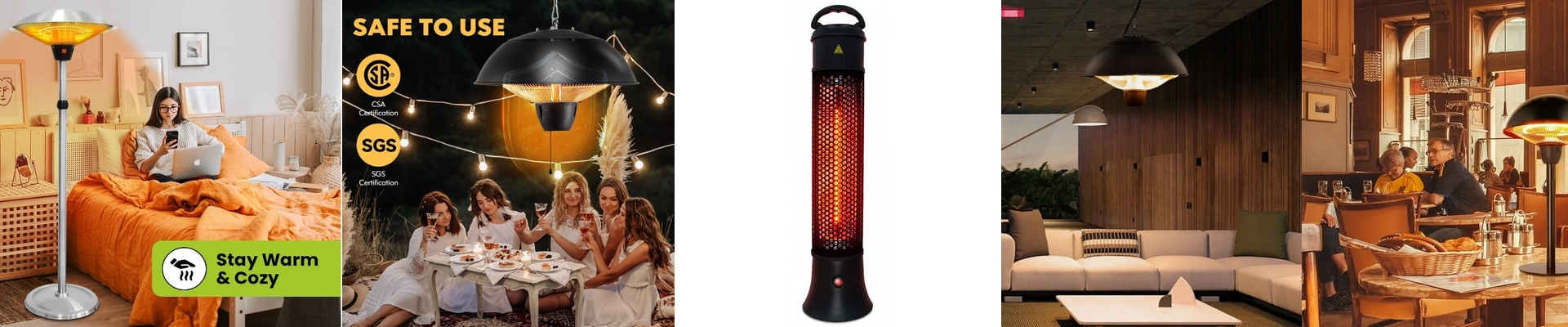
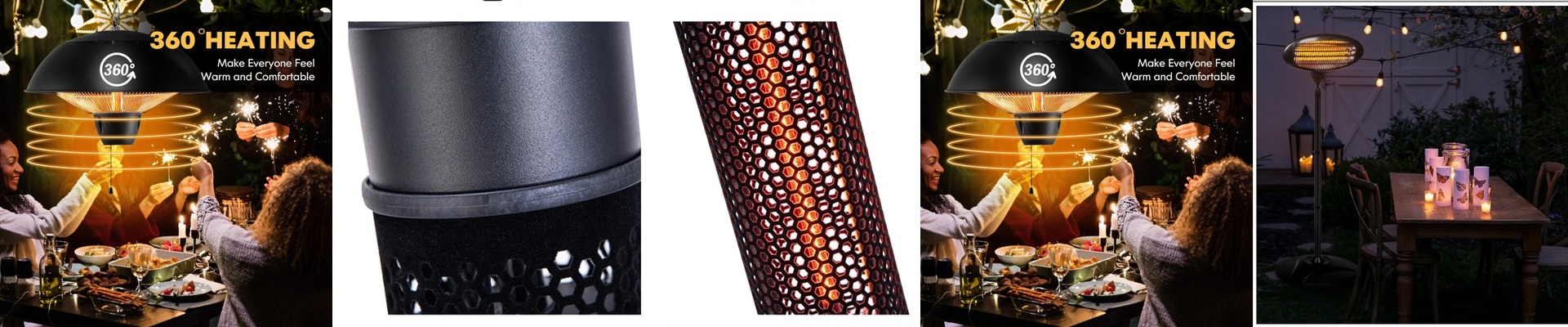
A 3D flame fireplace heater delivers comfort throughdirect radiant heat, not by trying to warm the entire volume of air. Inside, you’ve got a high-efficiency infrared heating element—usually a quartz tube or a carbon fiber core—throwing out instant warmth that travels outward, much like the sun. The visible 3D flame effect is separate: it’s an LED flame chamber, so the “flame” is purely visual while the heat comes from the infrared system. Most models run on standard 120V household power, drawing 1.5 kW to 1.5 kW, and many include an adjustable thermostat for steady, repeatable control.
Why this approach makes sense in practice
When you need pinpoint comfort, the physics matter. Radiant heat warms people and surfaces directly, so you feel cozy much faster—often within seconds—without waiting on air to circulate. In living rooms, bedrooms, or enclosed patios, that translates to less overheating, fewer drafts, and a more stable feel. Because the heater targets occupied zones, the energy stays focused, which can help keep winter bills from running away on you. And the 3D flame adds mood without the upkeep, smoke, or venting that come with a real wood fire.
The details that keep you out of trouble
These heaters are built for indoor and sheltered outdoor use, but they’re not weatherproof. Keep the unit dry and protected from rain and heavy spray—check the IP rating if you plan to run it anywhere near moisture. Set it on a stable, level surface and rely on the built-in tip-over protection. For the best results, match the heater’s wattage to the room size and keep it at least three feet away from combustible materials.