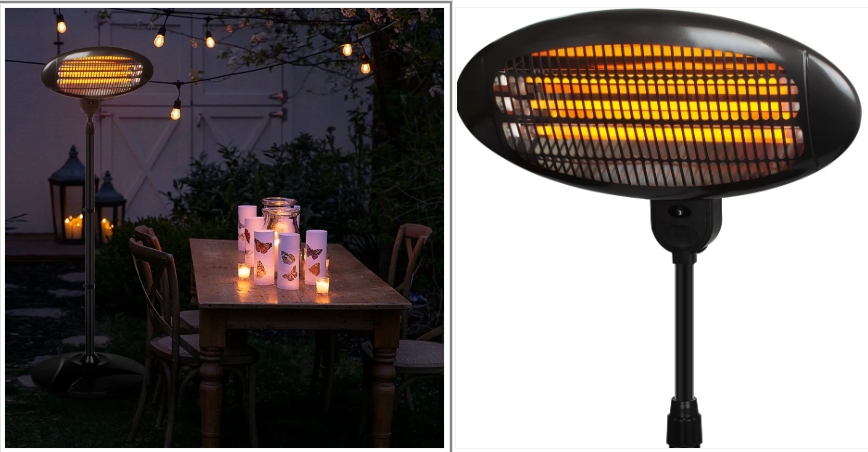
Making Waterproof Infrared Table Heaters Actually Work in a Smart Home
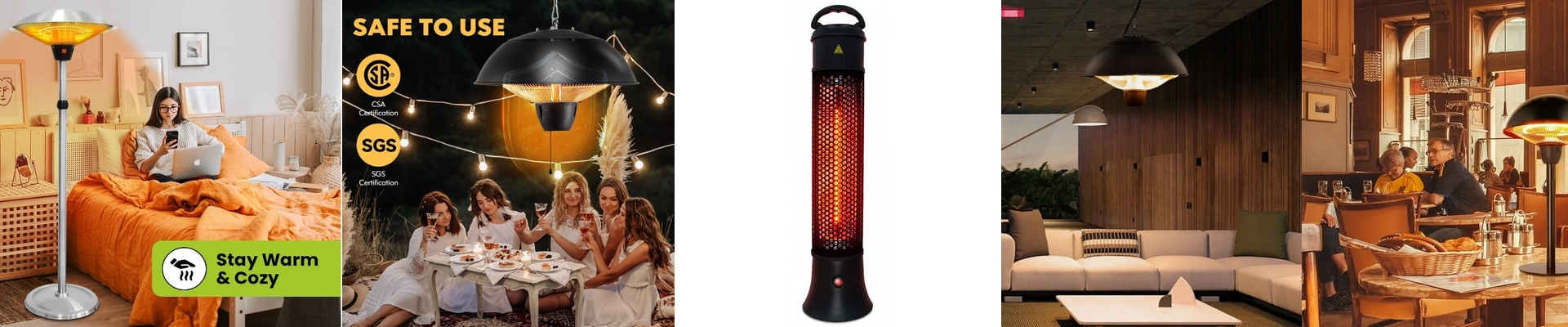
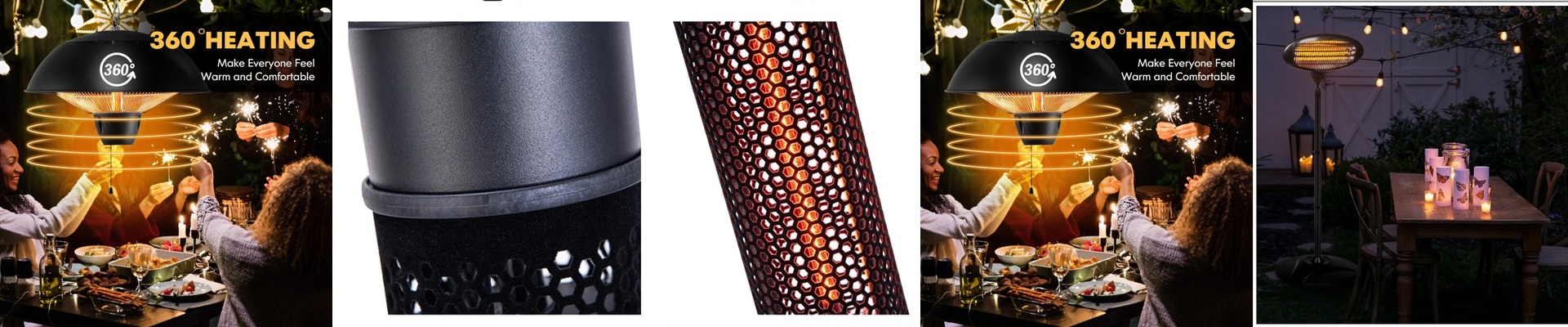
Ever tried to stay warm in a damp environment? It’s a nightmare. Most heaters just try to warm up the air, which is basically impossible when it’s cold and humid. That’s why we go with short-wave infrared. Instead of fighting the air, it beams heat directly onto you and your gear. It’s the difference between waiting for a room to warm up and stepping into a beam of sunlight.
Getting the “Smart” Part Right
The heater itself is pretty simple—it doesn’t “think.” It just waits for power. To make it smart, we hook it up to a heavy-duty relay or an IoT controller that acts as the middleman between your app and the heating element. When you tap a button on your phone, the controller snaps the circuit shut. Because there’s no oil or air to heat up first, you feel that warmth almost the second the filament glows. It’s instant.
The Battle Between Water and Heat
Since these are built for wet areas, we use IP-rated enclosures. This keeps the water out, which is great, but it creates a new problem: trapped heat. If you seal everything too tight, the internal wiring can bake and get brittle. To stop that from happening, you’ve got to give the heat a way to escape. We usually suggest using high-temp silicone gaskets or building in a thermal relief path. It’s a small detail, but it’s the difference between a heater that lasts years and one that fries itself in a month.
A Few Pro Tips on Performance
The best part about putting these on a smart grid is the scheduling. You can set them to kick in 10 minutes before you actually arrive. By the time you sit down, the spot is already toasted. No more shivering while you wait for a traditional HVAC system to slowly wake up. But here is a word of caution. Infrared units pull alotof power the moment they kick on. If you try to cram too many of them onto one single smart relay, you’re going to trip your breaker or melt your contacts. Don’t guess on this. Size your circuitry for the peak load—the absolute maximum they can pull—not just the average. Your fuse box will thank you.