Getting Your Lab Glass Right: The Secret to Perfect Annealing
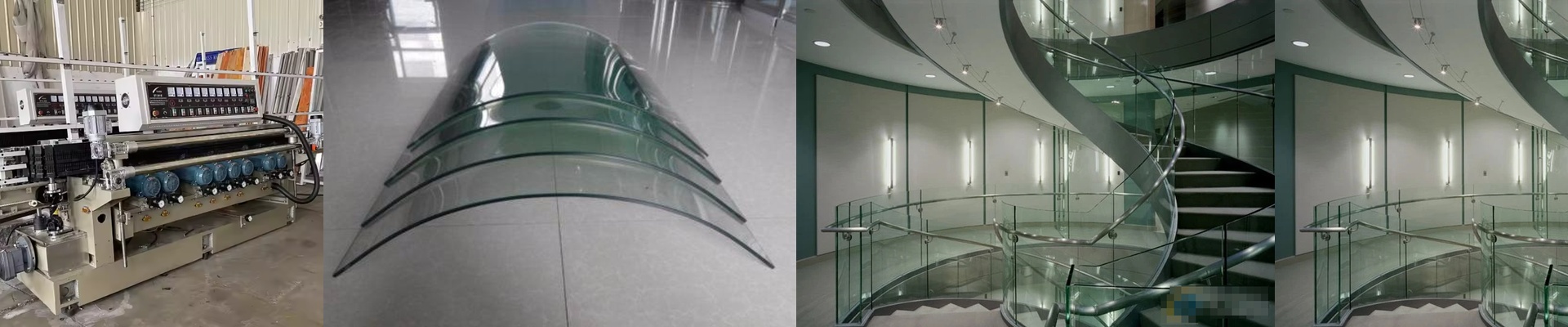
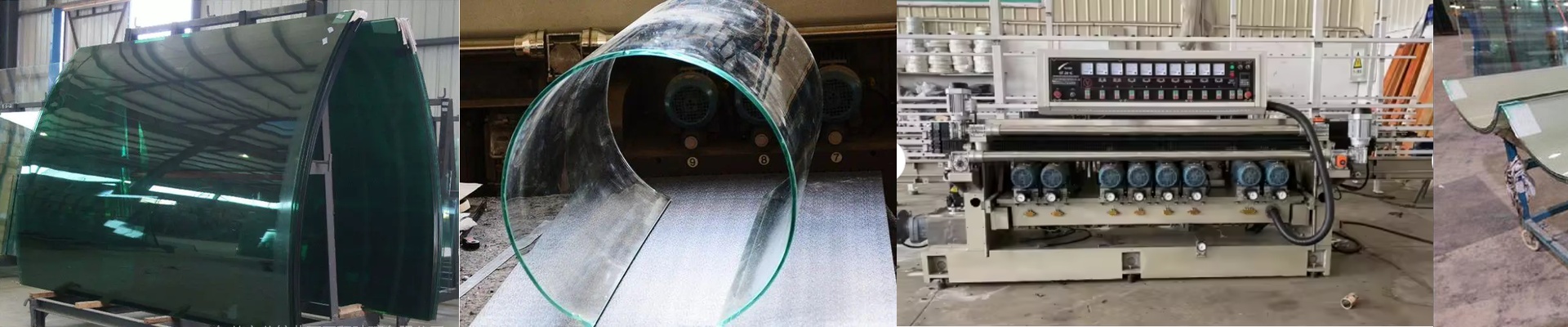
If you’ve ever had a borosilicate bottle shatter during sterilization or just as you’re adding a chemical, you know how frustrating it is. It usually happens because cutting and shaping the glass creates these hidden “hot and cold spots”—thermal gradients—that leave the glass stressed and unstable. To fix that, you can’t just warm it up. You need a proper annealing cycle. That means holding the glass right at its annealing point and letting it cool down slowly, without any surprises.
Why fighting for 0.1°C actually matters
Glass is finicky. It hates temperature swings. If your heater is jumping around by even two or three degrees, you might actually be adding more stress to the glass while you’re trying to remove it. That’s why we lean on infrared elements and high-res PID controllers to keep things within a 0.1°C window. It’s a tight squeeze, but it’s the only way to make sure the molecular structure settles in without hitting the strain point. We prefer shortwave IR because it doesn’t just heat the air; it punches straight through the glass wall, heating the core and the surface at the same time.
The gear you actually need
You can’t just toss a high-wattage lamp into a box and call it a day. High heat density is great for speed, but it’s a recipe for hot spots. I’d suggest using quartz-halogen elements with a reflective coating. This basically bounces the energy right back into the glass where it belongs. As for the wiring? Use an SCR (Silicon Controlled Rectifier). You need that fast switching. If you try to use a standard relay, the lag will eat your precision for breakfast. Also, make sure your K-type thermocouple is tucked within 10mm of the glass surface. If it’s too far away, the loop just isn’t accurate.
The balancing act: Power vs. Stability
Here’s the catch. High-power IR lamps are fast, but they’re thirsty. They put a massive load on your power supply and pump out a lot of ambient heat. If your enclosure isn’t vented, the air inside will start to drift. Once that happens, your 0.1°C target goes right out the window. It’s all about the trade-off. You have to balance how much wattage you’re pushing against how well you can cool the environment. Keep it stable, and your glass stays whole.