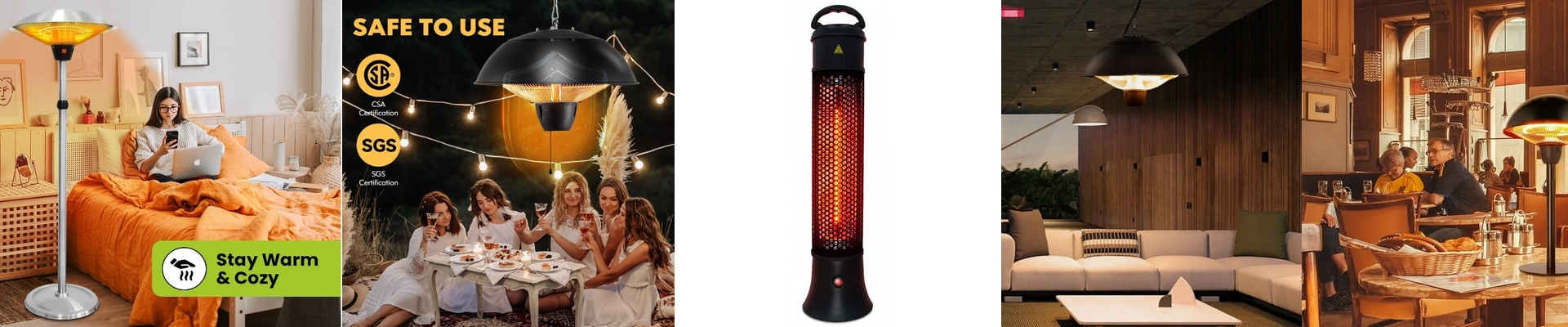
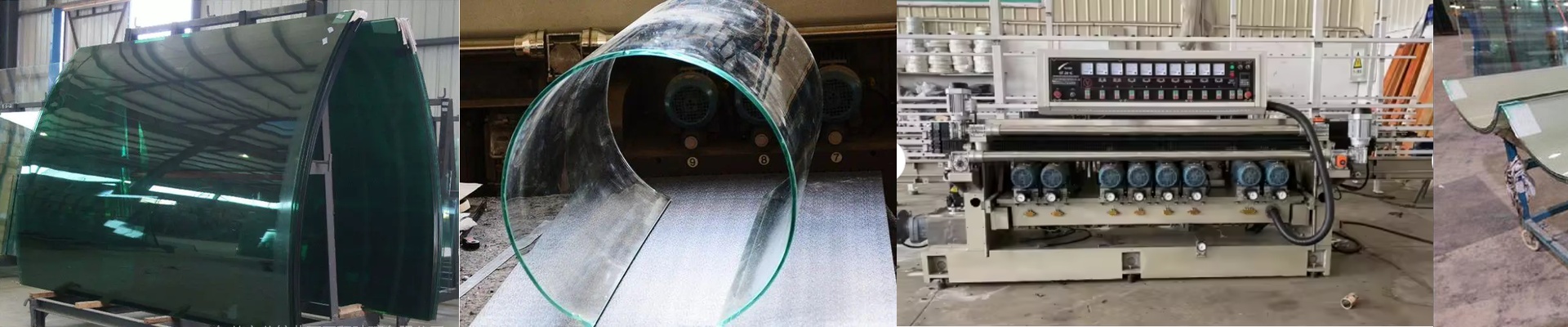
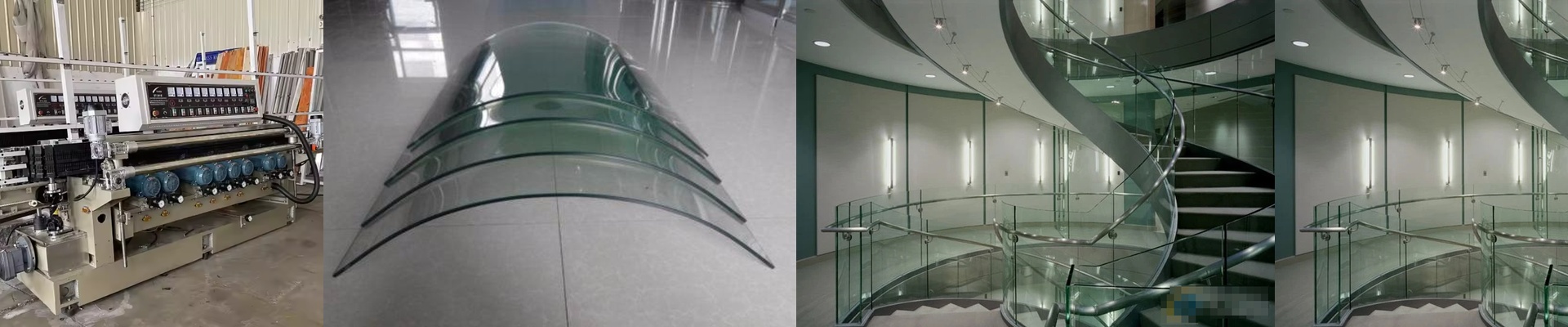
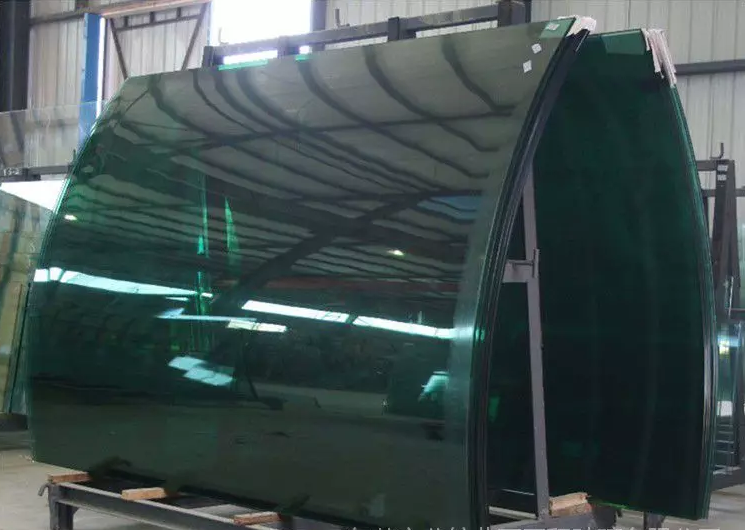
On the glass line, the heating stage is where you either make yield or lose it. Uneven heat shows up as optical distortion, edge wave, and thermal stress that can crack a sheet before it even gets to the quench. Twin tube infrared heating lamps were built to take that variability out of the equation.
What matters under the hood
Twin tube infrared lamps put fast, direct radiation on the glass, and you get tight control over the thermal profile. The two-tube layout gives you more heated width while keeping the radiant field dense and repeatable—exactly what you need when you’re running 3–6 mm float, coated, or low-e glass. The response is quick, so the soak zone settles without the lag you see with convection-heavy heating. The payoff is a thermal field that tracks setpoints consistently across the whole surface.
Why it holds up in real production
It comes down to uniform heat distribution. When the temperature spread is controlled, stress doesn’t pile up at edges or near notches, so breakage drops and optical quality stays steady. The fast response shortens cycle time and keeps throughput up on tempering, bending, and lamination lines. Energy use comes down too, because the lamps heat the glass directly instead of heating air that then has to heat the glass. In a lot of lines, these lamps drop in as a straight replacement for OEM heating modules, so you can upgrade without tearing the oven apart.
What you need to get right
Installation is straightforward, but alignment is where you earn it. You have to position the lamps to match the glass width and emissivity, and set the reflector geometry so the hot zone stays even. Keep the lamps clean and stay on schedule with quartz inspection—heavy coating buildup will throw the profile off. Plan for thermal management at the oven ends, where convection can still sneak in and create cold spots.