
Fixing the “Tight Fit” Problem with Custom IR Lamps
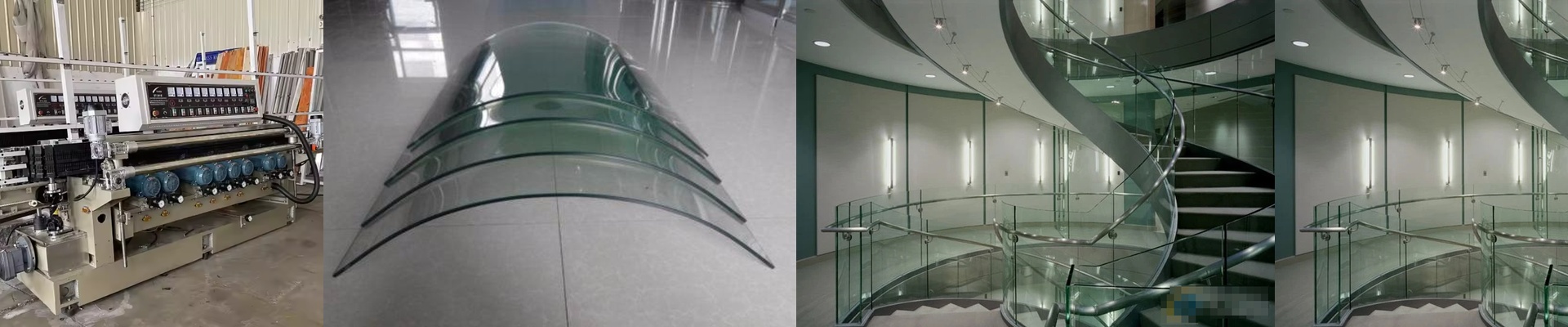
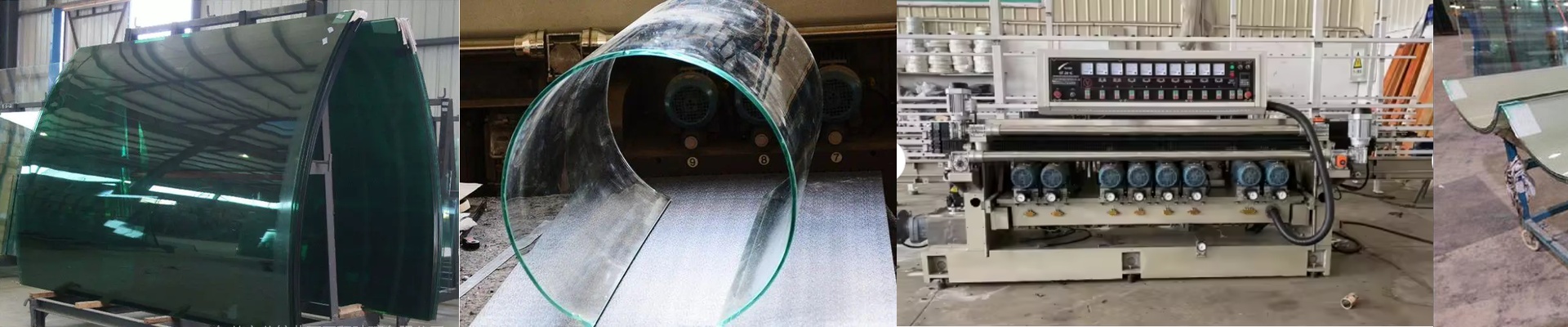
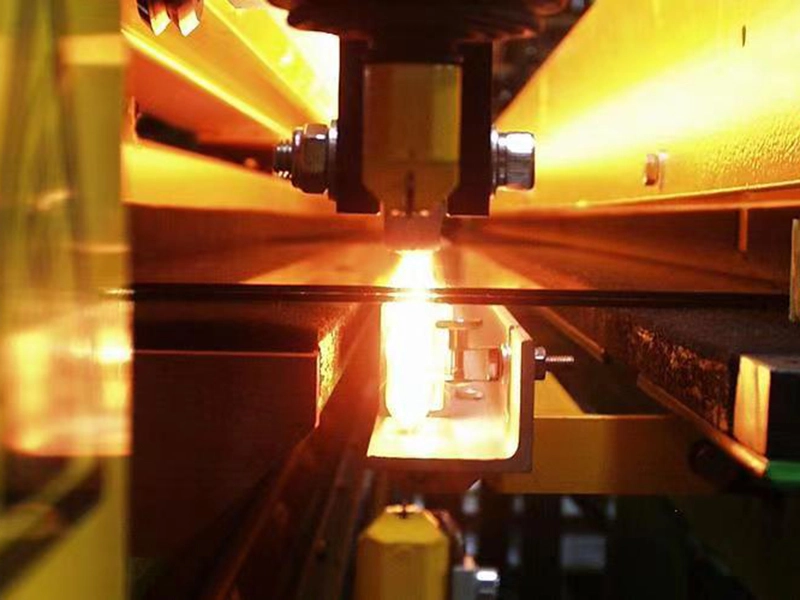
Let’s be honest: glass bending furnaces are usually crammed into spaces that feel way too small. If you’re working with a non-standard bending zone, trying to use off-the-shelf infrared lamps is a nightmare. Either the lamp is too short—leaving you with those annoying cold spots that ruin a batch—or it’s too long, and you’re staring at a chassis that simply won’t close. It’s frustrating. We fix this by just building the lamps to fit your actual gear. We spec out the exact lengths and shapes to match your nip roller layout, so you aren’t fighting with your equipment. Dealing with the squeeze Most IR tubes come in a few standard lengths. That’s fine for some, but in a tight, custom furnace, those fixed sizes force you to make compromises. You end up spacing things out too much or losing out on lamp density. By customizing the length and the curve of the quartz tube, those gaps disappear. You can pack more heat into a smaller space. That means your glass actually hits the softening point it needs before it ever touches the rollers. No guesswork. The trick to the shape Getting the shape right isn’t just about making it fit in the box; it’s about where the heat goes. We bend the quartz to follow the arc of your machinery. This keeps the distance between the heater and the glass exactly the same across the whole surface. Now, there is a catch. If you go for extreme bends, the filament can start to sag over time. We handle that on our end by tweaking the internal supports and the wattage. Just a heads-up: if you’re pushing for massive heat in a tiny, curved tube, make sure your power supply and cooling fans can keep up. You don’t want your sockets burning out because the thermal load is too concentrated. Getting it running We design these to be drop-in replacements. Whether you need a specific lead wire length or a connector that matches your old wiring harness, we mirror what you already have. You shouldn’t have to rewire your entire control panel just to get better heat. It’s simple. You plug them in, and you get a thermal match that actually works for your glass thickness and line speed.