Introduction
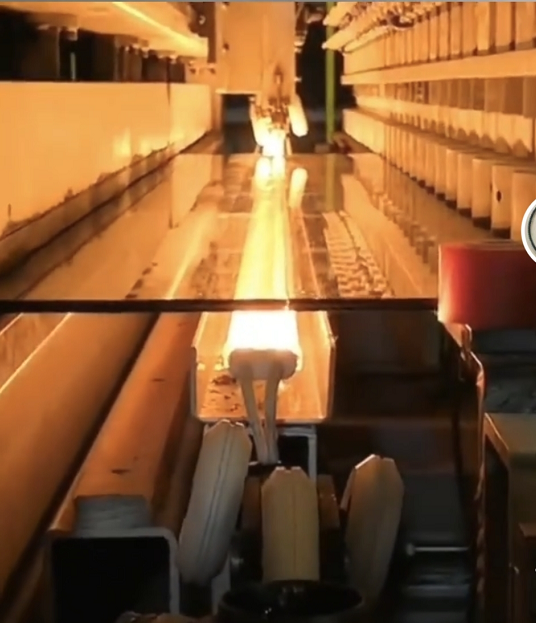
Let’s be real: in the glass industry, the line never stops. One hiccup, and you’re bleeding time and money. That’s exactly why we built our high-temperature infrared heating lamps. They’re not just another piece of equipment. They’re built for the reality of continuous glass molding and online annealing, where you need heat that fires up instantly, holds steady, and shuts down clean. These lamps are engineered to keep your process moving. We’re talking instant response, rock-solid output, and a size that actually fits into those tight, crowded machine bays.
The Nitty-Gritty: Power, Voltage, and Size
Think of these lamps as the heavy-duty workhorses of your setup. They’re designed to pack a serious punch into a small space. Take the 400V high-voltage design, for example. It’s chosen to push a ton of power through a compact quartz tube without making the electrical current unmanageable. The result? Less stress on the wiring, less energy wasted as heat, and a lamp that gets up to speed in no time. And that 300mm tube? It’s all about focus. It concentrates the heat right where you need it—on the mold surface or that critical glass transition zone—without wasting energy on the surrounding parts. With 2500W of power, it delivers the heat density needed to keep the glass at the perfect annealing temperature as it moves down the line, ensuring a smooth, uninterrupted thermal flow between heating zones.
What’s Inside: The Materials and Design That Matter
At the heart of it all is a halogen-filled shortwave infrared element, snug inside a quartz envelope. The halogen chemistry does something pretty clever: it helps stabilize the filament life by recycling evaporated tungsten back onto the filament. This keeps the output consistent, day after day. And because it’s quartz, the heat is delivered directly to the surface—not the air around it. It’s efficient, direct, and gets the job done. An internal reflective coating makes sure even more of that energy gets focused forward, boosting the power right where you need it. Then there are the connectors—the R7s and SK15 types. They’re not just picked at random. They’re built to handle extreme heat, keep a solid connection, and survive the constant lamp swaps on a running machine. This makes replacement during maintenance a simple, drop-in job, so you can get back online fast.
Real-World Proof: Keeping the Line Moving
When you’re doing online annealing, the glass has to cool at a very specific rate while the conveyor keeps chugging along. That’s where these fast-response infrared lamps shine. They give you immediate heat when the line ramps up and give you precise control once things are steady. No more waiting around for a slow heater to warm up. You get a stable annealing profile, right on cue, keeping everything within tolerance. Now, here’s the trade-off: that kind of power density—2500W packed into a 300mm package—needs proper space and cooling. Plan for good ventilation up front, and you’ll get a system that runs longer, switches over faster, and keeps your glass quality rock-solid.