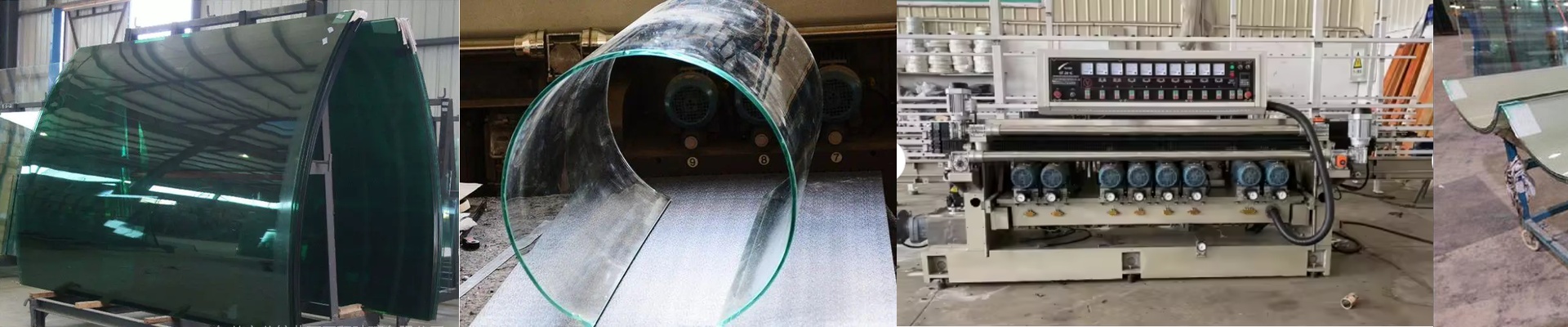

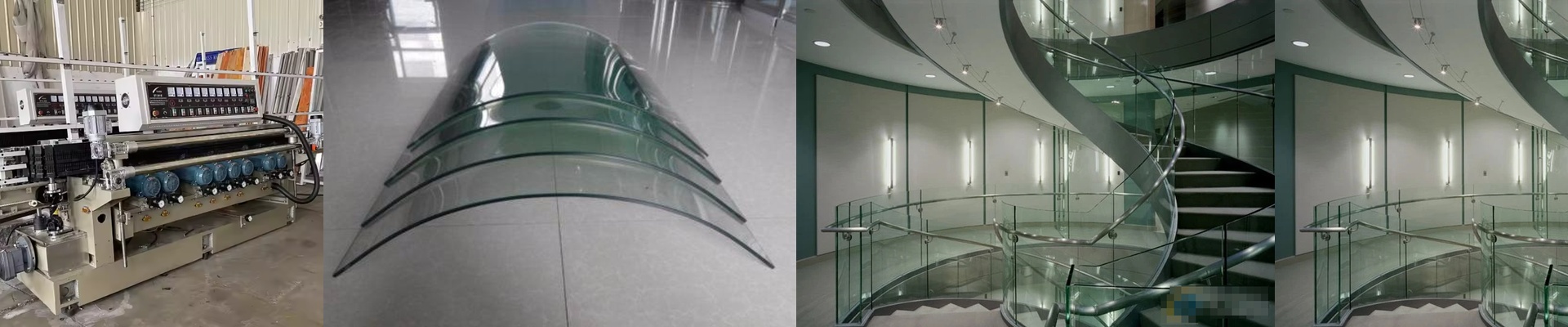
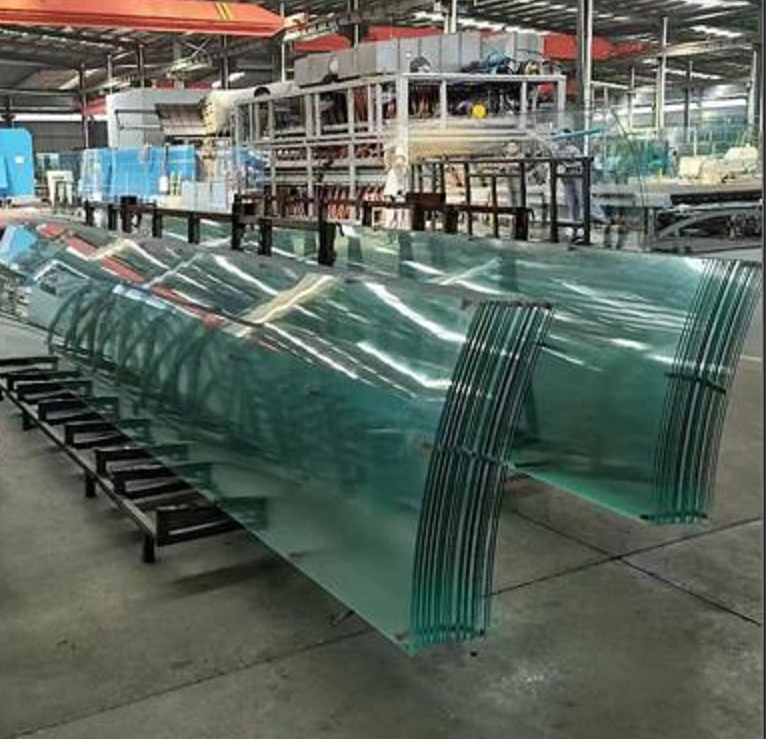
On the line, heating isn’t a background function. It’s the lever that controls flatness in bending, stress in tempering, and cycle time in lamination. When the heating module stumbles, the whole line stops to wait. Quartz infrared lamps give glass plants the thermal response they need, and how long they last directly shapes uptime. What matters under the hood Quartz infrared lamps are short-wave emitters built for fast, direct radiation into glass. They deliver high power density with a quick start-up, so you can run tight thermal cycles without leaning on convection. In practice, the thermal profile snaps to setpoints, keeping coating drying and lamination heating repeatable. We shape the quartz envelope and filament geometry to stabilize output, and we match the base, connector, and voltage to OEM fixtures so the lamp drops right in. Expect stable radiant output for thousands of hours, with predictable depreciation that lets you plan maintenance windows instead of chasing failures. Glass processing doesn’t forgive uneven heat. In tempering, uneven heating drives thermal stress and pushes breakage higher. In bending, temperature swings across the sheet show up as wave and twist. In EVA lamination, the heating stage has to hit the adhesive activation window fast and hold it even, or the autoclave backs up. Quartz infrared lamps put heat where you need it, fast, and they cut soak time while tightening the process window. That means higher yield, fewer scrap sheets, and lower energy per part. Here are the practical details that keep these lamps honest. They’re sensitive to handling and running conditions. Install with clean tools and the right torque so you don’t stress the quartz. Keep terminals tight and clean to avoid hot spots. Check voltage and cooling at the socket — over-voltage and weak airflow will shorten life in a hurry. Base replacement on measured output drift, not just calendar time, and keep spares matched by batch so the whole bank heats consistently.