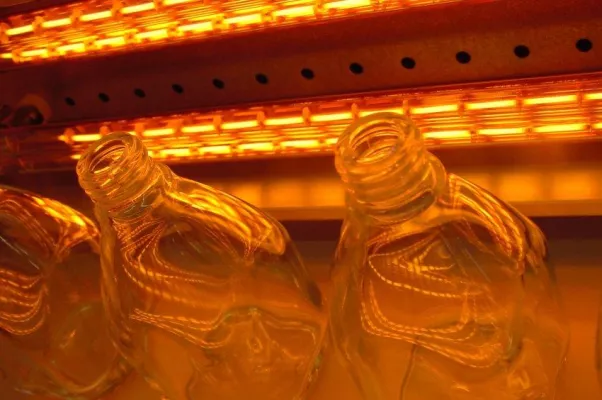
Aluminum Reflector IR Lamps: Finally, a Fix for the Temperature Dead Zones in Complex Glassware Annealing
Let’s talk about a headache you know too well. You’re annealing glass, and you’ve got these wild, complex shapes. The problem is, those shapes create what we call “thermal shadows”—those stubborn spots that your standard heating just can’t seem to reach. So, we built a system to go after those shadows directly. Our aluminum reflector IR lamps were designed for one simple, stubborn goal: to get consistent, targeted heat onto every single surface, no matter how tricky the shape.
Power, Voltage, and Geometry—Simplified
We chose the power and voltage for a reason. These lamps deliver the kind of heat density you need for annealing that’s fast, but still controlled. The 400V setup is there to keep the power stable over longer runs, which eases the load on your electrical system. It keeps things manageable. Then there’s the specifics: a 300mm tube length and a 2500W rating. We matched these specs to the typical thermal mass of glassware, so you’re not fighting the physics. The result is a tight, focused zone of heat. You get serious power right where you need it, without accidentally roasting the rest of the kiln structure. Just one thing to keep in mind: that high power density means you need a solid cooling plan. Make sure your lehr’s airflow and heat extraction are up to the task.
The Gear That Gets the Job Done
The aluminum reflector is more than just a shiny piece. It’s engineered to steer the infrared beam with precision. It cuts down on wasted radiation and really concentrates the heat on the target. That’s how we adapt to complex shapes without needing any moving parts. Then there’s the quartz envelope. It’s tough, built to handle the shock of rapid heating and cooling cycles. And the halogen technology keeps the filament stable, so the output stays consistent, hour after hour, for thousands of hours. And the R7s connector? It’s a small detail that makes a big difference on the floor. It locks in place, withstands high heat, and makes swapping a lamp a breeze. No special tools. Just a quick twist, and you’re back in business.
The Payoff: Coverage Without the Guesswork
When you’re annealing glass, uneven heat leads to stress fractures. It’s that simple. Our lamps wipe out those temperature dead zones by nailing the energy right onto shoulders, necks, and those intricate rims. The outcome is a thermal profile you can count on, even for the most irregular containers. For your team, that means fewer rejects, less time spent on trial and error, and line speeds you can actually predict. Installation is a straight shot—it’s a drop-in setup with the R7s base. You get consistent heating, a long and stable lamp life, and a system that just keeps taking the heat, cycle after cycle.