


Getting Your Heating Back on Track: A Guide to IP65 Infrared Elements
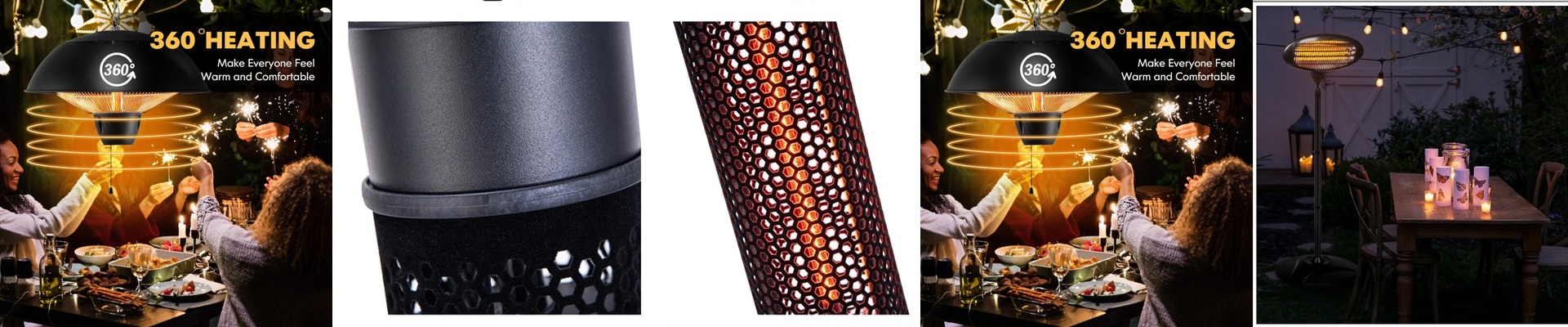
If you’ve ever tried to warm up a damp locker room or a chilly changing area, you know the struggle. Heating the air just doesn’t work—it takes too long and the warmth vanishes the second a door opens. The secret is to stop worrying about the air and start targeting the surfaces. That’s where our short-wave infrared elements come in. They’re built to slide right into your existing fixtures and, more importantly, they’re IP65-rated. That’s just a fancy way of saying they won’t freak out when they hit dust or water splashes.
The Heat: Fast and Focused
These things are built for speed. We use a high-wattage quartz tube so the heat hits almost the second you flip the switch. No waiting around for a convection heater to slowly wake up. You get that direct, radiant warmth that actually cuts through your clothes and hits your skin. But a word of caution: the heat is concentrated. It’s a tight footprint. If you go too heavy on the wattage for a tiny space, you might actually overheat the housing. Also, double-check your wiring. If the gauge is too thin for the current, you’ll see a voltage drop at the terminals, and nobody wants that.
What’s Under the Hood?
Inside, you’ve got a tungsten filament wrapped in high-purity quartz. We often add a special coating to the tube to tweak how the heat emits, making it feel a bit more natural and comfortable on the skin. Now, about that IP65 rating. The quartz tube itself is naturally waterproof, but the danger is where the electricity meets the hardware. That’s why we obsess over the sealing gaskets and connectors. We use precision seals to keep moisture far away from the electrical contacts. If a seal fails, you get arcing, and that’s a quick way to burn out your system.
Swapping Them Out (and Keeping Them Alive)
Replacing these is pretty straightforward. Pull the old tube, give the socket a quick check for any carbon buildup, and slide the new one in. One big rule: Wear gloves. Quartz is picky. If the oils from your skin get on the glass, they create “hot spots.” Those spots cause the tube to fail way sooner than it should. And don’t just swap them out because the calendar says it’s time. Wait until you actually notice the heat dropping or the light dimming. That’s the real indicator that it’s time for a fresh element.