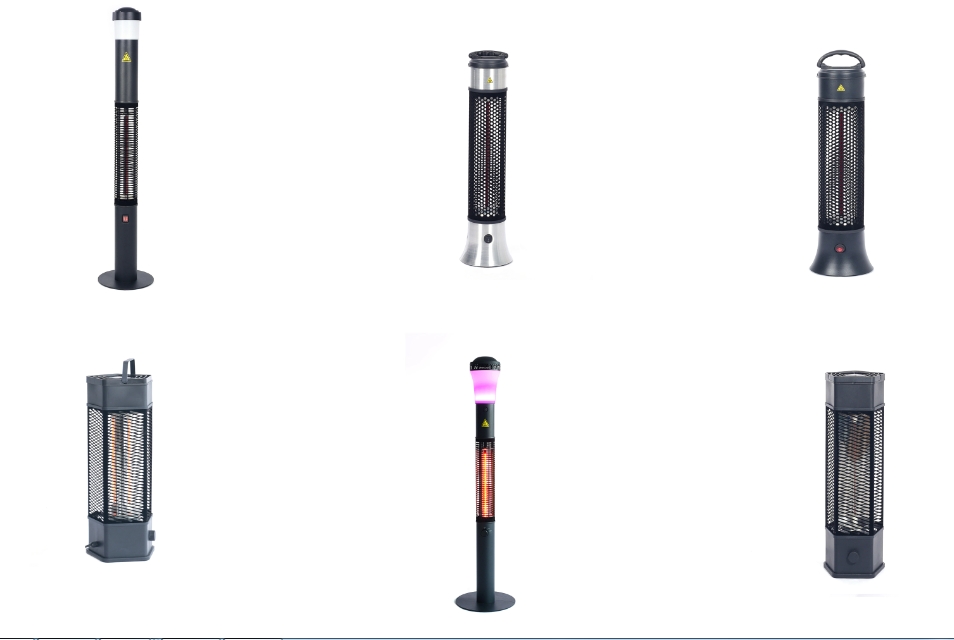
Stop Letting the Cold Kill Your Outdoor Profits
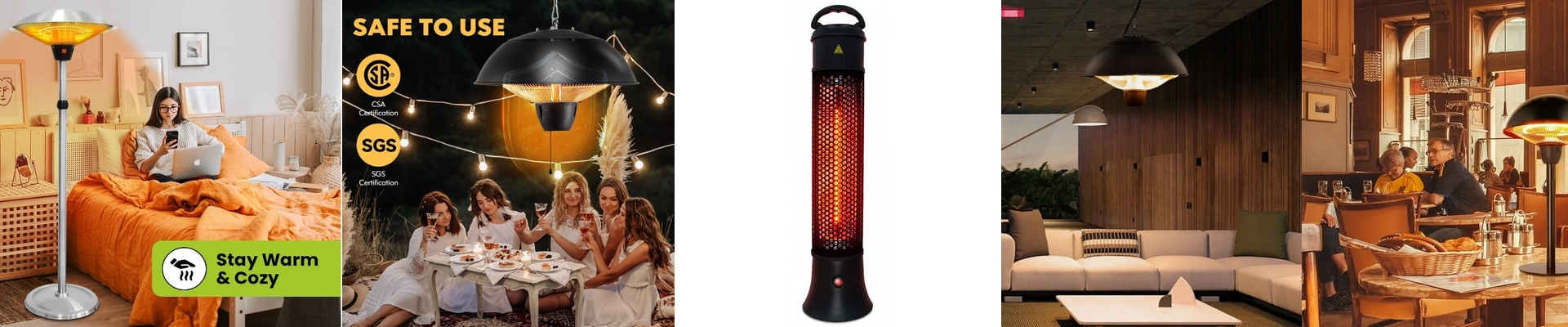
It’s a nightmare for any restaurant owner: you’ve got a great patio, but the second the temperature drops, your outdoor tables become expensive decorations. Customers either huddle inside, cramping your indoor space, or they just stay home. We fix this with high-wattage infrared heaters. The trick is that they don’t waste time trying to warm up the wind—they go straight for the people.
Why “Air Heaters” Don’t Work Outside
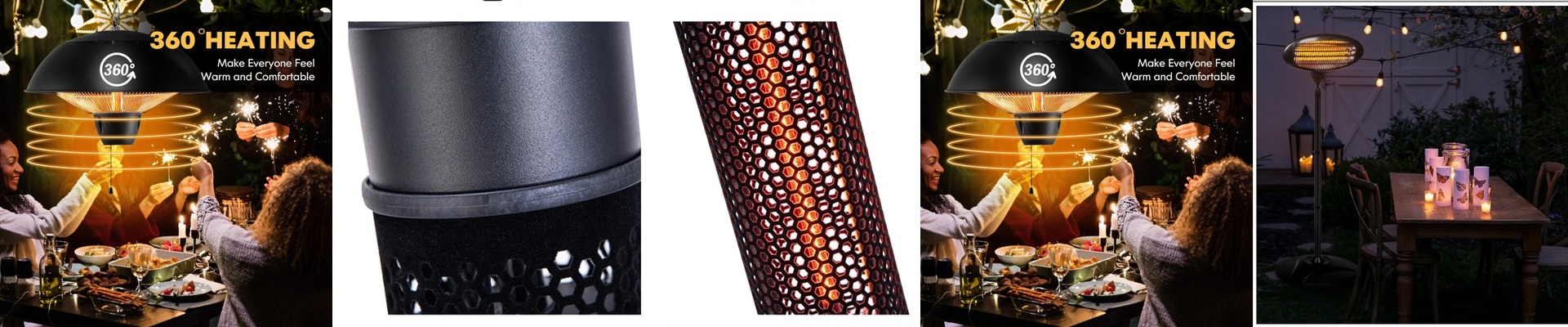
Think about a standard space heater. It warms the air. But outdoors? The wind just carries that warmth away before it even hits your guests. It’s a losing battle. Infrared is different. It sends out waves that only turn into heat when they hit something solid—like a guest’s heavy coat or a wooden table. It feels like standing in a patch of sunlight on a crisp day. Your guests feel warm the second they sit down, even if it’s freezing out.
Getting the Gear Right
You can’t just slap any heater on a wall and hope for the best. You need the right tool for your specific layout. If you have high ceilings, go withshortwave lamps. They’ve got a punchy, intense heat that can reach people from way up high. But if your heaters are sitting closer to shoulder height,mid-wave optionsare the way to go. They’re a bit softer and more comfortable for close-range warmth. One huge warning:Check your wiring. These units pull a lot of power. If you plug a few 2kW heaters into a standard residential circuit, you’re going to trip the breaker in about five seconds. Nothing kills a dinner rush faster than the lights going out mid-service. Make sure your electrical panel can actually handle the load.
More Warmth, More Orders
Here is the bottom line: when people are shivering, they want to leave. When they’re cozy, they linger. They stay for that extra round of cocktails. They actually look at the dessert menu. By keeping your patio usable for six months instead of three, you’re basically doubling your outdoor capacity for the year. Just be careful with where you put them. Mount them too high and the heat vanishes. Too low and you’ll accidentally singe someone’s shoulder. Aim for about 2.5 to 3 meters. It creates a perfect “warm zone” that feels just right without overheating the place.