

Why We Use IPX5 Quartz for Bathroom Heaters
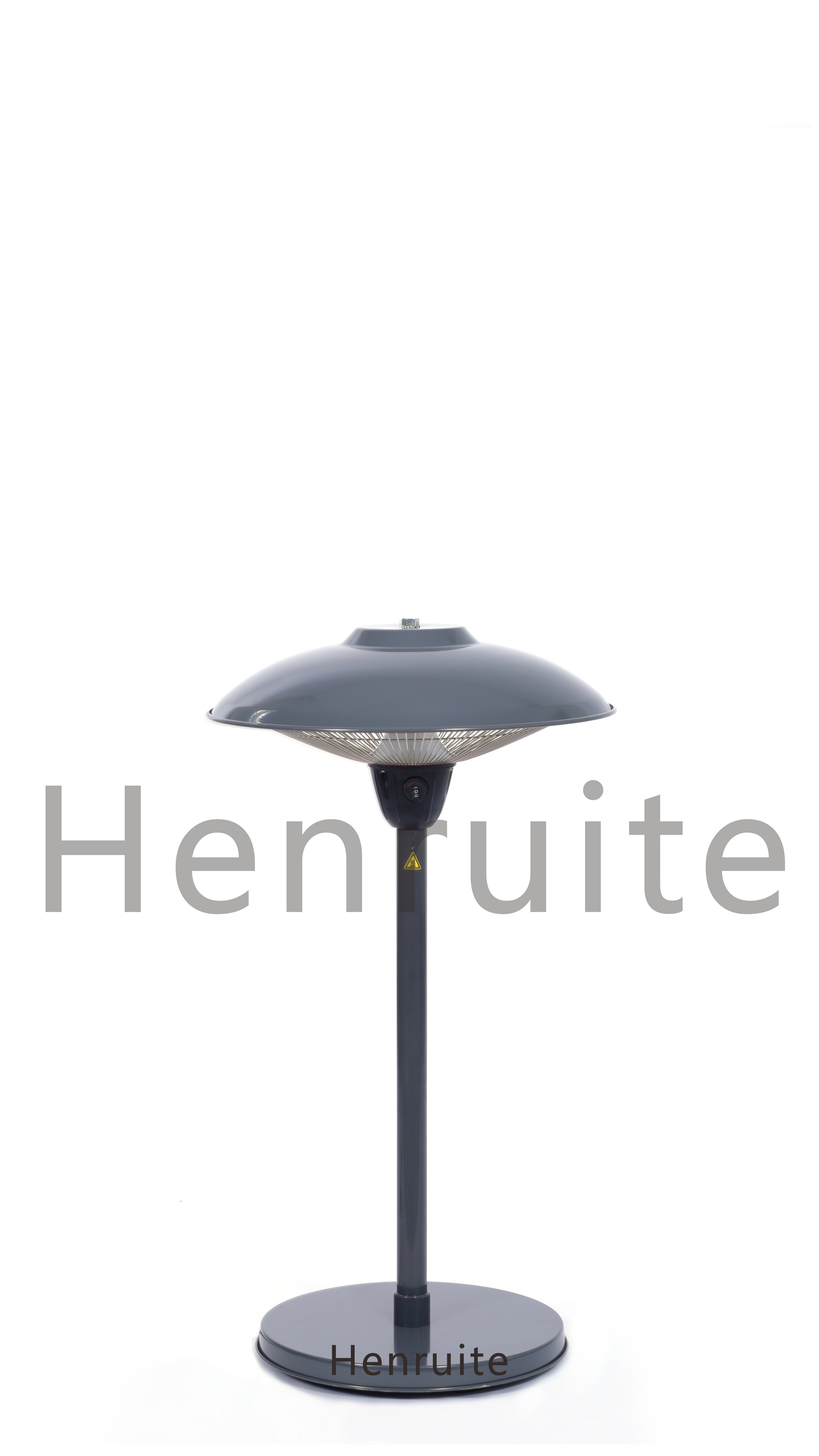
Putting a heater in a bathroom is a bit of a nightmare from an engineering perspective. You’ve got intense heat on one hand and constant steam and splashing water on the other. It’s a recipe for disaster if you get it wrong. That’s why we stick to IPX5 rated infrared lamps. In plain English? It means the unit can take a direct hit from water jets from any angle and keep on ticking. It keeps the water away from the live wires, so you don’t have to worry about a short circuit while you’re stepping out of the shower.
The Secret to Glass That Doesn’t Explode
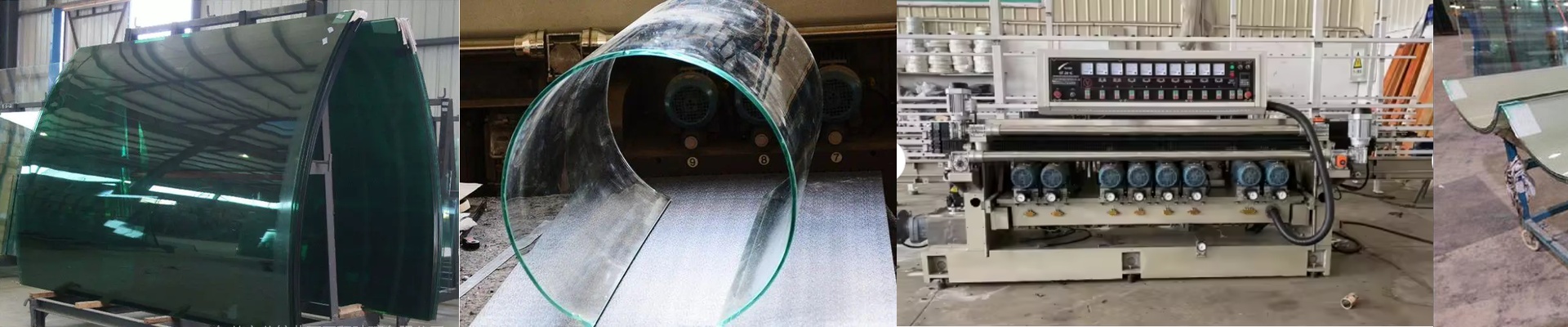
Here is the problem with standard glass: if a cold drop of water hits a surface that’s 500°C, it doesn’t just sizzle. It cracks. Usually instantly. We use explosion-proof quartz glass to stop that from happening. This stuff is built for the chaos of rapid temperature swings. It doesn’t freak out when it goes from freezing to scorching in a split second. Plus, the quartz tube acts like a bodyguard for the tungsten filament. If the seal leaks, the filament burns out almost immediately. High-grade quartz keeps the gas sealed tight, which is the only way to make sure the lamp actually lasts as long as it’s supposed to.
Heat, Air, and Installation
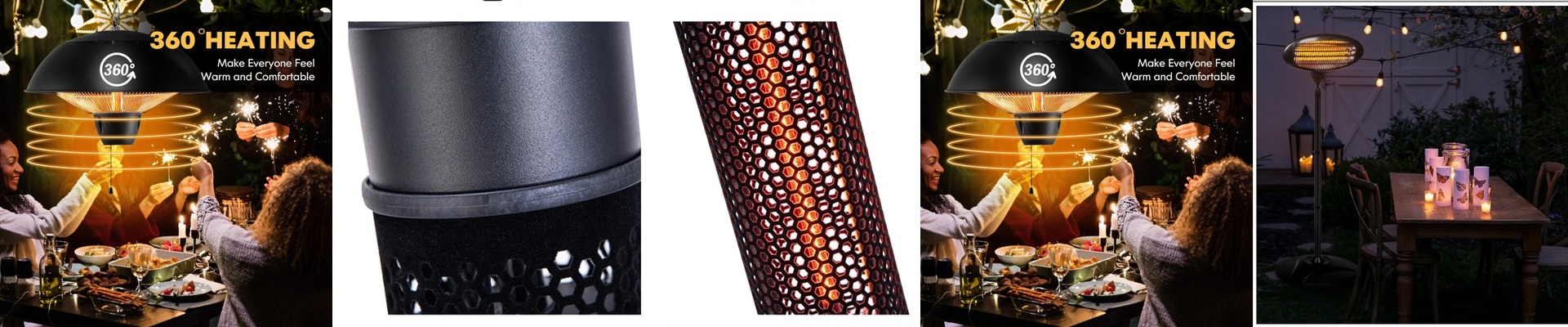
These heaters don’t just warm up the air around you; they send short-wave infrared radiation straight to your skin. It feels immediate. It’s that “ahhh” moment the second you turn it on. But because that heat is so concentrated, you can’t just cram them into a tight ceiling and call it a day. They need to breathe. If there’s no airflow, the thermal cutoff will kick in and shut everything down to keep things safe. We’ve made these easy to drop into standard bathroom fixtures. The tricky part is always the seals. To keep that IPX5 protection solid, we use high-temp silicone gaskets around the edges of the lamp. They hold up where cheap rubber would just melt.
A Few Things to Watch Out For
Now, quartz is a beast when it comes to heat, but it’s still glass. It’s brittle. If you give the tube a hard knock during installation, you might create tiny micro-fractures. You won’t see them at first. But the moment the lamp hits operating temperature, those cracks spread, and the tube fails. **Pro tip:**Wear gloves when you handle these. The oils from your skin can actually create “hot spots” on the glass, which weakens it over time. Keep it clean, keep it steady, and it’ll work perfectly.