
Getting the Wattage Right for Your Bathroom Heater
Nobody wants to step out of a hot shower only to be hit by a wall of freezing air. But here’s the problem: if you pick the wrong wattage for your infrared heater, you’re either going to be shivering in a cold spot or wasting a ton of money on your electric bill. It’s all about finding that sweet spot where you’re actually warm, but you aren’t blowing a fuse.
Sizing it up
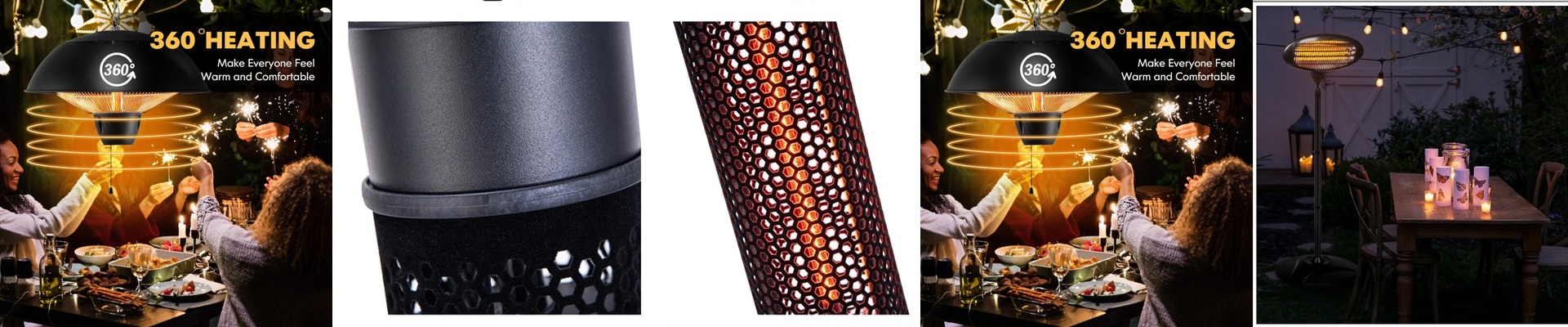
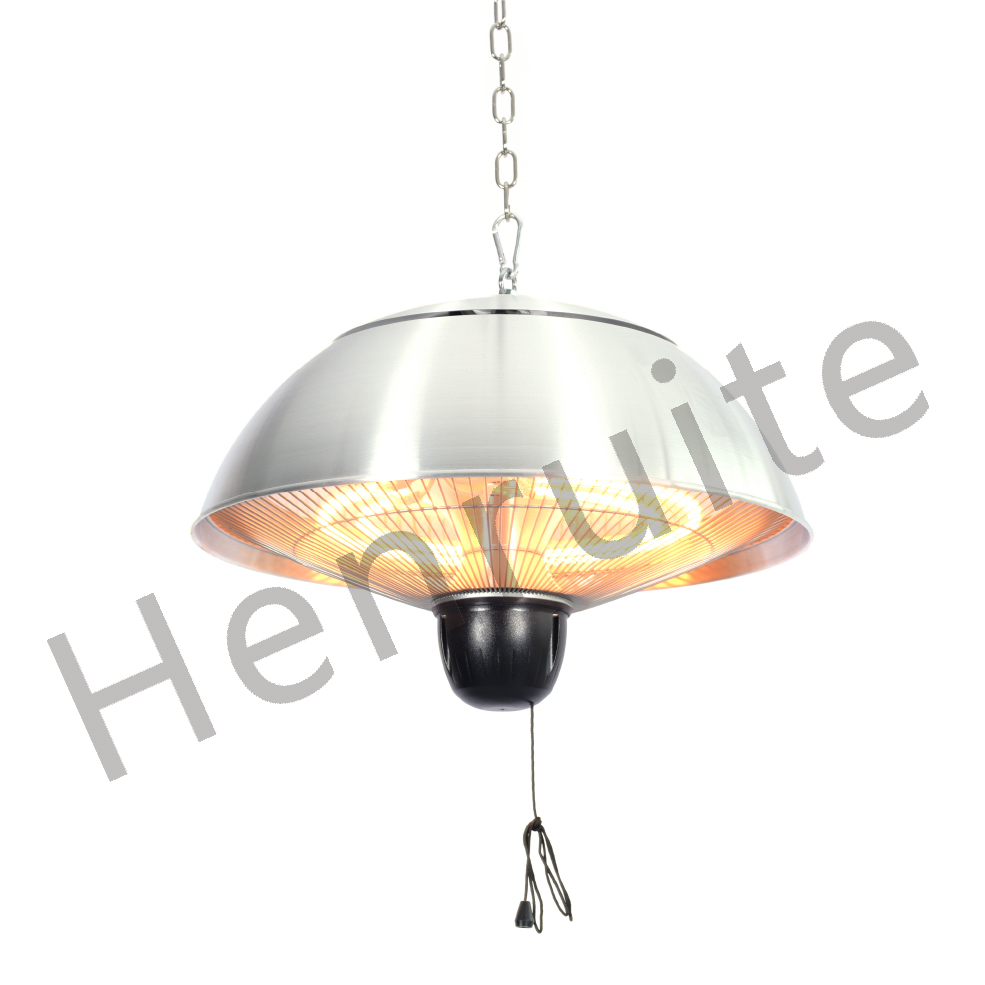
If you’ve got a tiny bathroom—you know, the kind where you can almost touch both walls at once—you don’t need a monster of a heater. A 400W to 600W lamp usually does the trick. These things don’t really “heat the room” in the traditional sense; they warm you up directly. It feels like standing in a patch of sunlight. Now, if you’re dealing with a big master bath, a single lamp isn’t going to cut it. You’ll end up with one tiny “island” of heat while the rest of the room stays ice cold. Your best bet? Spread the love. Put in two or three 600W units, or go for a bigger 1000W+ array. That way, you don’t have to huddle in one corner just to stay warm.
Watch your ceiling
Where you put the lamp matters just as much as how powerful it is. Short-wave lamps have a pretty tight beam. If you mount a high-power unit too close to the ceiling, you might actually scorch your paint or trigger the safety shut-off. Give it some breathing room—at least 15-20cm. And if you have those fancy vaulted ceilings? Keep in mind that heat drops off fast as it travels. You’ll probably need to bump up the wattage to make sure the warmth actually reaches you down on the floor.
Don’t fry your wiring
It’s tempting to just buy the most powerful heater on the shelf, but hold on a second. High-wattage lamps pull a lot of juice. If your home is a bit older, you might find yourself tripping the breaker more often than you’d like. A couple of tips to keep things safe: First, grab a timed controller. You don’t need the heater running all day; just enough to get you cozy. Plus, remember that pushing a 1200W setup to the limit puts a lot of stress on the quartz glass. It’ll wear out faster. Just do a quick bit of math on your square footage before you start wiring. It saves your wallet and keeps your equipment from burning out before its time.